Clear Aligners vs Metal Braces: Pros, Cons & Key Facts
Clear aligners vs metal braces — which is right for me? Well, the answer is
not the same for every patient — it depends on your clinical condition, lifestyle, and budget. Both options
straighten teeth, correct bites, and improve long-term oral health. They differ in appearance, comfort, cost,
clinical application, and daily management
Choosing without clinical guidance leads to incomplete correction, unexpected costs, and treatment regret.
infissmile provides specialist orthodontic consultations across India. This guide gives patients
the complete, honest comparison they need
Every point below is backed by clinical evidence and real-world examples from Indian orthodontic practice
What Are Clear Aligners and Metal Braces — and How Do They Work?
Clear Aligners
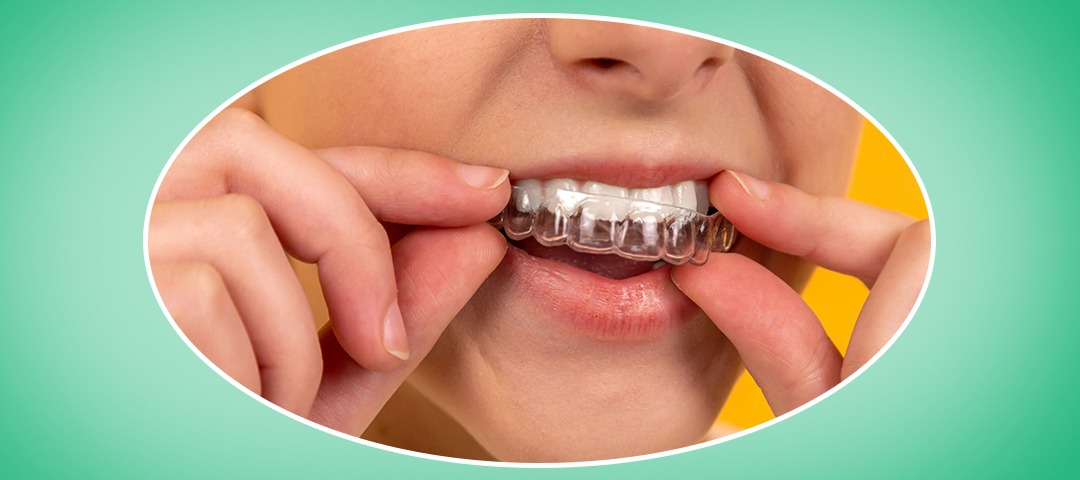
What they are: A series of custom-made, transparent plastic trays worn over the teeth that
progressively shift them into correct alignment
How they work: Each tray is worn for 1–2 weeks before advancing to the next; force is applied
through the tray surface
Key feature: Fully removable — taken out for eating, drinking, and brushing
Common brands in India: Invisalign, ClearPath, and Infissmile’s own aligner systems.
Metal Braces
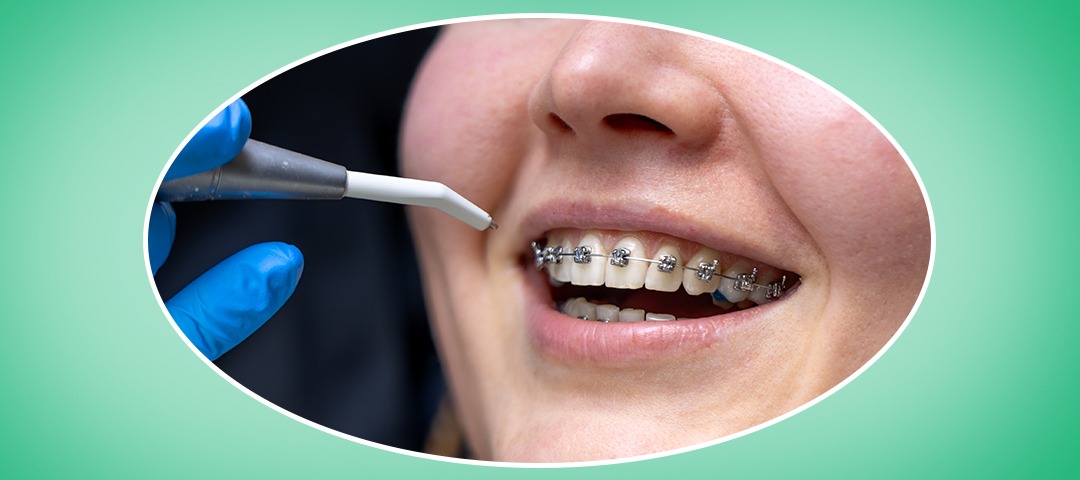
What they are: Fixed orthodontic appliances made of metal brackets bonded to each tooth, connected
by a metal wire
How they work: The orthodontist periodically tightens the wire to apply continuous, progressive
pressure to the teeth
Key feature: Fixed in place — remains on teeth for the full treatment duration; no patient
compliance needed
Most common type: Standard stainless steel brackets — the most widely used orthodontic option
in India
Orthodontic Treatment — What It Means
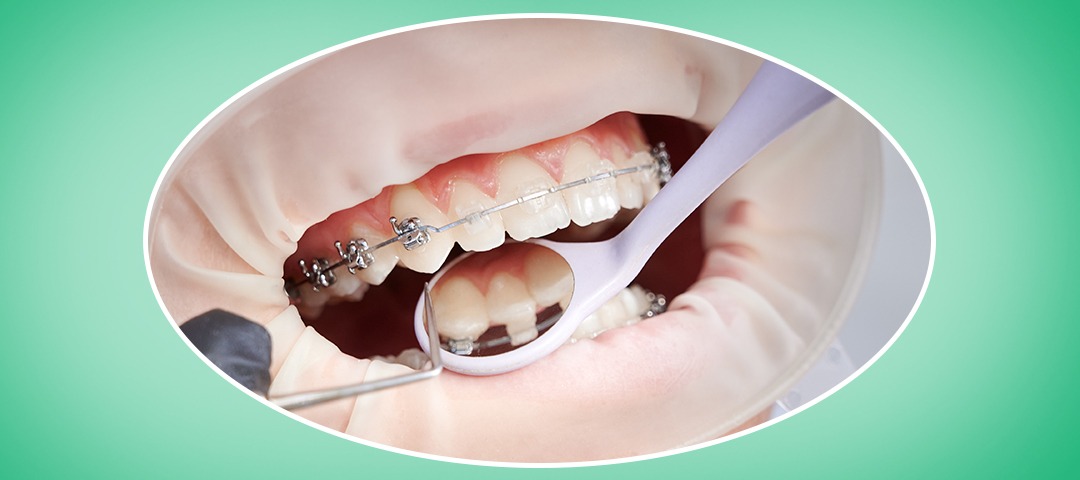
Orthodontic treatment options: The range of clinical approaches that correct teeth and bite
alignment. Both clear aligners and metal braces are orthodontic treatment options — the method differs, but
the clinical goal is the same
Why this matters to you: The treatment you choose affects how you look during treatment, what you
can eat, how you clean your teeth, and how much you pay for up to 2 years
Do Clear Aligners Look Better Than Metal Braces During Treatment?
Clear Aligners — Aesthetic Advantages
Made from medical-grade transparent plastic — nearly invisible in normal social and professional situations.
They are the leading invisible braces option for adults and working professionals in India. With no visible
brackets, no metal wires, most people in conversation will not notice them. Thus, Preferred by patients in
client-facing roles, video conference-heavy jobs, or socially active lifestyles
Metal Braces — Aesthetic Reality
Highly visible — metal brackets and wires are immediately noticeable when smiling or speaking. Ceramic or
clear-bracket variants reduce visibility but are not equivalent to aligner aesthetics. Standard metal braces remain
the norm in teenage and paediatric orthodontic treatment in India
Real-World Example>
A 30-year-old IT professional in Pune consulted Infissmile for moderate crowding
correction. Both options were clinically suitable for her case
She chose aligners — weekly video calls and in-person client meetings made visible brackets professionally
uncomfortable. Treatment completed successfully in 16 months with full correction achieved
Honest Consideration
- Clear aligners are only
invisible when worn. Patients who remove them outside prescribed hours lose the aesthetic advantage entirely - Metal braces work continuously —
their effectiveness does not depend on patient cooperation
Which Orthodontic Option Causes Less Discomfort — Aligners or Braces?
Clear Aligners — Comfort Profile
- Smooth plastic surface — no sharp brackets, no protruding wire ends, no rough
edges against cheeks - New tray changes cause mild pressure-related soreness that typically resolves within
24–72 hours - No emergency appointments for broken hardware — the only action needed is
replacing a lost or cracked tray - No orthodontic wax required — no soft tissue injuries from metal components
Metal Braces — Comfort Profile
- Metal brackets and wires can scratch and irritate inner cheeks and lips —
especially in the first weeks - Discomfort intensifies after each adjustment appointment as new wire tension is
applied - Orthodontic wax provides temporary relief but does not eliminate the underlying
mechanical irritation - Broken wires require prompt in-clinic attention — cannot wait for the next
scheduled visit
Real-World Example
A 17-year-old student in Ahmedabad began treatment with a metal brace at Infissmile. Persistent cheek irritation from
bracket edges continued for the first six weeks. Clinical review confirmed her case was suitable for aligner
conversion: post-transition, soft tissue irritation resolved entirely within two weeks
Honest Consideration
- ‘More comfortable’ does not mean painless — both options cause pressure-related
soreness when teeth are actively moving - The difference: clear aligners remove mechanical irritation; they do not remove
biological discomfort from tooth movement
Are Clear Aligners as Clinically Effective as Metal Braces for All Cases?
When Clear Aligners Work Best
- Mild to moderate crowding and spacing corrections
- Minor overbite reduction cases>
- Relapse corrections after previous orthodontic treatment
- Adult patients with good oral hygiene and demonstrated compliance capacity
- Cases where tooth rotation required is less than 20 degrees
When Metal Braces Are Clinically Preferred
- Severe crowding or spacing requiring extensive movement
- Significant overbite, underbite, or crossbite correction
- Cases requiring rotation of more than 20 degrees
- Significant vertical bite discrepancies
- Younger patients where daily compliance with a removable device is uncertain
- Any case where the movement required exceeds what the aligner mechanics can reliably
deliver
Real-World Example
A 34-year-old patient at Infissmile had a significant overbite and multi-tooth crowding. Despite a strong preference
for clear aligners, the clinical assessment — including panoramic X-ray and bite analysis — confirmed
that aligners could not achieve the required correction. Metal braces were recommended and chosen, and full
correction was achieved in 24 months with an excellent clinical outcome
Which Option Is Easier to Maintain — Clear Aligners or Metal Braces?
Clear Aligner Daily Maintenance
- Remove aligners before every meal — no food restrictions whatsoever during
treatment - Rinse aligners with lukewarm water after each removal
- Clean with a soft toothbrush daily — no special cleaning products required
- Brush and floss teeth normally before reinserting — aligners trap bacteria if
teeth are unclean - Avoid coloured drinks (tea, coffee, turmeric-based drinks) while aligners are in
— they stain clear trays - Store in the provided case when not in the mouth — loose aligners are easily
lost or damaged>
Metal Braces Daily Maintenance
- Avoid hard, sticky, and chewy foods throughout treatment — they dislodge
brackets and bend wires - Use interdental brushes and floss threaders to clean around brackets and under wires
daily - Plan for longer oral hygiene routines — wires and brackets trap food more than
natural teeth - Attend in-person adjustment appointments every 4–6 weeks throughout treatment>
- Book emergency appointments for broken brackets or protruding wire ends — cannot
be self-managed
Real-World Example
A first-year medical student at Infissmile chose clear aligners specifically due to hostel dining constraints.
Fixed-brace dietary restrictions were impractical in a shared dining environment. He maintained 22-hour daily wear
by removing aligners only at mealtimes and reinserting immediately after. Treatment completed on schedule with no
additional trays required
How Much Do Clear Aligners Cost Compared to Metal Braces in India?
Metal Braces — Cost in India
Typical range: Rs. 25,000 to Rs. 60,000 for a full treatment course. Includes all brackets, wires,
monthly adjustment appointments, and final retainers. The price may also vary by case complexity, clinic location,
and hardware type.
Government and AYUSH-affiliated dental clinics may offer lower rates for standard cases
Clear Aligners — Cost in India
Typical range: Rs. 80,000 to Rs. 3,50,000 for a full treatment course. Premium international aligner
brands (e.g., Invisalign) sit at the higher end of this range
Indian aligner systems and mid-tier providers offer effective treatment at more accessible price points
Cost Comparison — What to Actually Evaluate
Do not compare headline starting prices — compare full treatment package costs
- Confirm whether the quoted fee includes: all aligner trays, all adjustments,
refinement trays, retainers, and post-treatment review - A cheap quote that excludes refinement trays may increase by Rs. 20,000–40,000
mid-treatment - A lower-cost treatment that achieves incomplete correction is not a saving — it
is a deferral followed by retreatment cost
Clear Aligners vs Metal Braces: Complete Side-by-Side Comparison>
|
Factor |
Clear Aligners |
Metal Braces |
|
Appearance |
Nearly invisible — transparent plastic |
Highly visible — metal brackets and wires |
|
Removability |
Fully removable by the patient |
Fixed — cannot be removed by the patient |
|
Comfort |
Smooth surface, no sharp edges |
Can cause cheek and lip irritation from brackets/wires |
|
Diet restrictions |
None — remove before eating anything |
Significant — avoid hard, sticky, chewy foods |
|
Oral hygiene |
Normal brushing and flossing |
Interdental brushes and floss threaders needed |
|
Best clinical use |
Mild to moderate misalignment; adults |
Moderate to severe cases; complex bites; all ages |
|
Treatment duration |
12–24 months (mild to moderate) |
18–30 months (varies by complexity)> |
|
Cost range (India) |
Rs. 80,000 – Rs. 3,50,000 |
Rs. 25,000 – Rs. 60,000 |
|
Compliance required |
Yes — 20–22 hours daily, every day |
No appliance works continuously |
|
Emergency visits |
Rare — lost or cracked tray only |
More frequent — brackets break, wires protrude |
|
Suitability for children |
Limited — compliance challenging |
Excellent — no compliance variable |
|
Monitoring |
Digital check-ins are possible with some systems |
In-person adjustment every 4–6 weeks is required |
Expert Tips from InfisSmiles Dental Clinic Experts
Tip 1: Let the Clinical Assessment Drive the Decision — Always
Infissmile recommends completing a full diagnostic assessment before choosing any treatment option
Tip 2: Request a Digital Treatment Simulation Before Committing
Infissmile provides every aligner candidate with a digital smile simulation before any financial commitment
Tip 3: Evaluate Lifestyle Compliance Honestly Before Comparing Costs
Infissmile recommends assessing compliance capacity before the budget comparison — because they are connected
Tip 4: Always Compare Total Treatment Packages — Not Starting Prices
Infissmile includes all trays, all review appointments, all refinement trays, and final retainers in one written
fee
Common Mistakes to Avoid When Choosing Between Clear Aligners and Metal Braces
1: Choosing Aesthetics Before Clinical Assessment
Clear aligners are aesthetically superior but not clinically superior for every case. Instead, confirm clinical
suitability for both options first
2: Underestimating Daily Compliance for Clear Aligners
20–22 hours of daily aligner wear across 12–24 months is a significant commitment. Instead, simulate one
full week of aligner compliance in your normal routine before committing
3: Comparing Prices Without Comparing What Is Include
A Rs. 90,000 quote excluding refinements is not the same as a Rs. 1,10,000 all-inclusive quote. Instead, request a
fully itemised written quote from every clinic
4: Not Planning for the Post-Treatment Retention Phase
Orthodontic treatment does not end when the braces come off or the last aligner tray is completed. Instead, ask
specifically about the retention protocol included in the treatment fee.
Conclusion
Both clear aligners and metal braces are clinically proven, effective orthodontic treatments
The pros and cons of clear aligners and metal braces are real, documented, and different — and
their weight varies from patient to patient. The wrong choice, made for the wrong reason, produces incomplete
results and adds cost. The right choice, made after proper clinical assessment, produces results that last a
lifetime
infissmile provides: Expert, patient-centred orthodontic consultations across India — every
recommendation clinically based, every treatment plan fully transparent, no surprise fees, no overpromising
Book your consultation with Infissmile today. Get a complete clinical assessment, a digital
treatment simulation, and an honest written plan for both options — so you leave knowing exactly what to
choose and why
Q1: What is the main difference between clear aligners and metal braces?
A: Clear aligners are removable transparent trays that shift teeth progressively with each tray change. Metal braces are fixed brackets and wires bonded to teeth that apply continuous force without patient action. Clear aligners offer aesthetic and comfort advantages for mild to moderate cases. Metal braces offer reliability, affordability, and clinical superiority for complex cases requiring extensive correction.
Q2: Why would an orthodontist recommend metal braces over clear aligners?
A: An orthodontist recommends metal braces when the clinical case involves severe crowding, significant bite correction, complex tooth rotations exceeding 20 degrees, or jaw alignment that aligner mechanics cannot achieve. Metal braces are also recommended for younger patients where compliance with a removable device is clinically uncertain. The recommendation is based on diagnosis — not on cost or personal preference.
Q3: How do I know if I am suitable for clear aligners?
A: You are likely suitable for clear aligners if: your misalignment is mild to moderate, your oral hygiene is good, and you can realistically maintain 20–22 hours of daily wear throughout treatment. A full clinical assessment at Infissmile — including X-rays and digital impressions — confirms candidacy with certainty. Appearance alone is not a reliable indicator of suitability.
Q4: What steps should I take before choosing between braces and aligners?
A: (1) Book a full clinical assessment with a certified orthodontist. (2) Request diagnostic X-rays and digital impressions. (3) Ask whether both options are clinically suitable for your case. (4) Request a digital treatment simulation for clear aligners. (5) Compare fully itemised total treatment costs for both options. infissmile provides all five steps in a single consultation appointment.
Q5: Clear aligners vs metal braces for teenagers — which is better?
A: Metal braces are generally preferred for teenagers because they work without compliance, handle the more complex corrections common during jaw development, and cannot be forgotten or lost. Clear aligners can work for mature teenagers with demonstrated discipline — some aligner systems include compliance indicators for teen patients. The choice requires a clinical and compliance assessment specific to each individual.
Q6: Invisible braces vs metal braces for adults — which should working professionals choose?
A: For adults with mild to moderate misalignment, clear aligners are consistently preferred — aesthetically appropriate for professional environments, comfortable for long working hours, and manageable within standard adult routines. infissmile treats a majority of its adult patients with clear aligners. The exception is when clinical complexity makes metal braces the only option that achieves complete correction.
Q7: What is the simpler explanation of aligners vs braces for someone new to orthodontics?
A: Clear aligners are transparent, removable plastic trays worn over your teeth — nearly invisible and swapped every 1–2 weeks. Metal braces are fixed metal brackets bonded to your teeth, adjusted monthly by your dentist. Aligners do not restrict your diet. Braces work continuously without you doing anything. Both straighten teeth effectively — the best choice depends on how complex your case is and how well you can manage a removable device.
Q8: What happens if I do not wear my aligners for the required hours daily?
A: Missing even 2–4 hours daily consistently means your teeth are not moving as planned. The current tray may stop fitting correctly before you need to change it. This causes treatment delays, unplanned extra trays, and in some cases an incomplete final result. infissmile monitors tray fit at every review and addresses compliance gaps before they cascade into extended treatment timelines.
A: Clear aligners are removable transparent trays that shift teeth progressively with each tray change. Metal braces are fixed brackets and wires bonded to teeth that apply continuous force without patient action. Clear aligners offer aesthetic and comfort advantages for mild to moderate cases. Metal braces offer reliability, affordability, and clinical superiority for complex cases requiring extensive correction.
A: An orthodontist recommends metal braces when the clinical case involves severe crowding, significant bite correction, complex tooth rotations exceeding 20 degrees, or jaw alignment that aligner mechanics cannot achieve. Metal braces are also recommended for younger patients where compliance with a removable device is clinically uncertain. The recommendation is based on diagnosis — not on cost or personal preference.
A: You are likely suitable for clear aligners if: your misalignment is mild to moderate, your oral hygiene is good, and you can realistically maintain 20–22 hours of daily wear throughout treatment. A full clinical assessment at Infissmile — including X-rays and digital impressions — confirms candidacy with certainty. Appearance alone is not a reliable indicator of suitability.
A: (1) Book a full clinical assessment with a certified orthodontist. (2) Request diagnostic X-rays and digital impressions. (3) Ask whether both options are clinically suitable for your case. (4) Request a digital treatment simulation for clear aligners. (5) Compare fully itemised total treatment costs for both options. infissmile provides all five steps in a single consultation appointment.
A: Metal braces are generally preferred for teenagers because they work without compliance, handle the more complex corrections common during jaw development, and cannot be forgotten or lost. Clear aligners can work for mature teenagers with demonstrated discipline — some aligner systems include compliance indicators for teen patients. The choice requires a clinical and compliance assessment specific to each individual.
A: For adults with mild to moderate misalignment, clear aligners are consistently preferred — aesthetically appropriate for professional environments, comfortable for long working hours, and manageable within standard adult routines. infissmile treats a majority of its adult patients with clear aligners. The exception is when clinical complexity makes metal braces the only option that achieves complete correction.
A: Clear aligners are transparent, removable plastic trays worn over your teeth — nearly invisible and swapped every 1–2 weeks. Metal braces are fixed metal brackets bonded to your teeth, adjusted monthly by your dentist. Aligners do not restrict your diet. Braces work continuously without you doing anything. Both straighten teeth effectively — the best choice depends on how complex your case is and how well you can manage a removable device.
A: Missing even 2–4 hours daily consistently means your teeth are not moving as planned. The current tray may stop fitting correctly before you need to change it. This causes treatment delays, unplanned extra trays, and in some cases an incomplete final result. infissmile monitors tray fit at every review and addresses compliance gaps before they cascade into extended treatment timelines.