
- Professional Teeth Whitening at InfiSmiles Dental Clinic, Surat
- What Is Professional Teeth Whitening?
- Teeth Whitening vs Teeth Cleaning vs Polishing
- Who Can Benefit From Teeth Whitening?
- Teeth Whitening Options at InfiSmiles Dental Clinic Surat
- Teeth Whitening Procedure: Step by Step
- Is Teeth Whitening Safe? Sensitivity and Side Effects
- After Whitening: What to Eat, Drink and Avoid
- Teeth Whitening Cost in Surat
- Related Dental Treatments
- FAQs about Braces Treatment
Dentures at InfiSmiles Dental Clinic, Surat
Losing teeth makes eating, speaking and smiling harder, and it can affect how you feel about meeting people. Dentures replace missing teeth with a removable set that is made to fit your mouth, so you can get back to normal daily life.
At InfiSmiles Dental Clinic in Surat, we begin with a full examination, explain your options, including when an implant may suit you better, and make dentures that are comfortable, stable and natural-looking. Denture treatment in Surat is led here by Dr. Dhaval Patel, Chairman of InfiSmiles, who has served patients for more than 18 years. You can visit our Sayan or Sarthana (Nana Varachha) branch.
What Are Dentures?
Dentures, often called false teeth, are removable replacements for missing teeth and the gum around them. A complete denture replaces all the teeth in the upper or lower jaw. A partial denture replaces some teeth and clips onto the ones you still have. Dentures are made from impressions of your mouth, so the size, shape and shade can be matched to you.
Benefits of Dentures
- Better chewing and speaking: Replacing missing teeth makes it easier to eat a wide range of food and to pronounce words clearly.
- A fuller smile: Teeth are set to look natural, and the denture supports the lips and cheeks so the face looks less sunken.
- Non-surgical option: Standard dentures do not need implant surgery, so they suit many people who prefer a simpler route.
- Lower upfront cost: Dentures usually cost less at the start than implants.
- Can be adjusted or remade: As your gums change, dentures can be relined, repaired or replaced.
What to Know Before You Choose Dentures
Dentures do not feel or work exactly like natural teeth. Standard dentures sit on the gums and can move when you eat or speak, and the gum and bone underneath slowly shrink over the years, so they need checks, relining and eventually replacement. We explain these limits at the consultation so your expectations are realistic.
Who Needs Dentures? Signs to Look For
Wisdom tooth removal is usually advised when a tooth is causing problems or is likely to. Common signs are:
- Have lost several teeth, or all your teeth, because of decay, gum disease, injury or age
- Find it hard to chew or speak clearly
- Have loose teeth or teeth that cannot be saved
- Have gaps that a bridge cannot fill
- Want to restore the look of your smile after tooth loss
Before we recommend dentures, we check whether any teeth can be saved with a filling or root canal treatment, because keeping a natural tooth is usually better. Gum disease and decay are treated first so that your dentures sit on healthy gums.
Picture Gallery
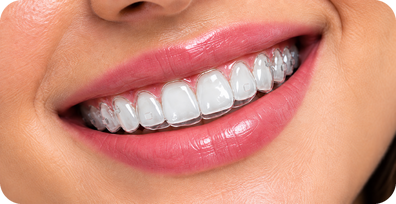
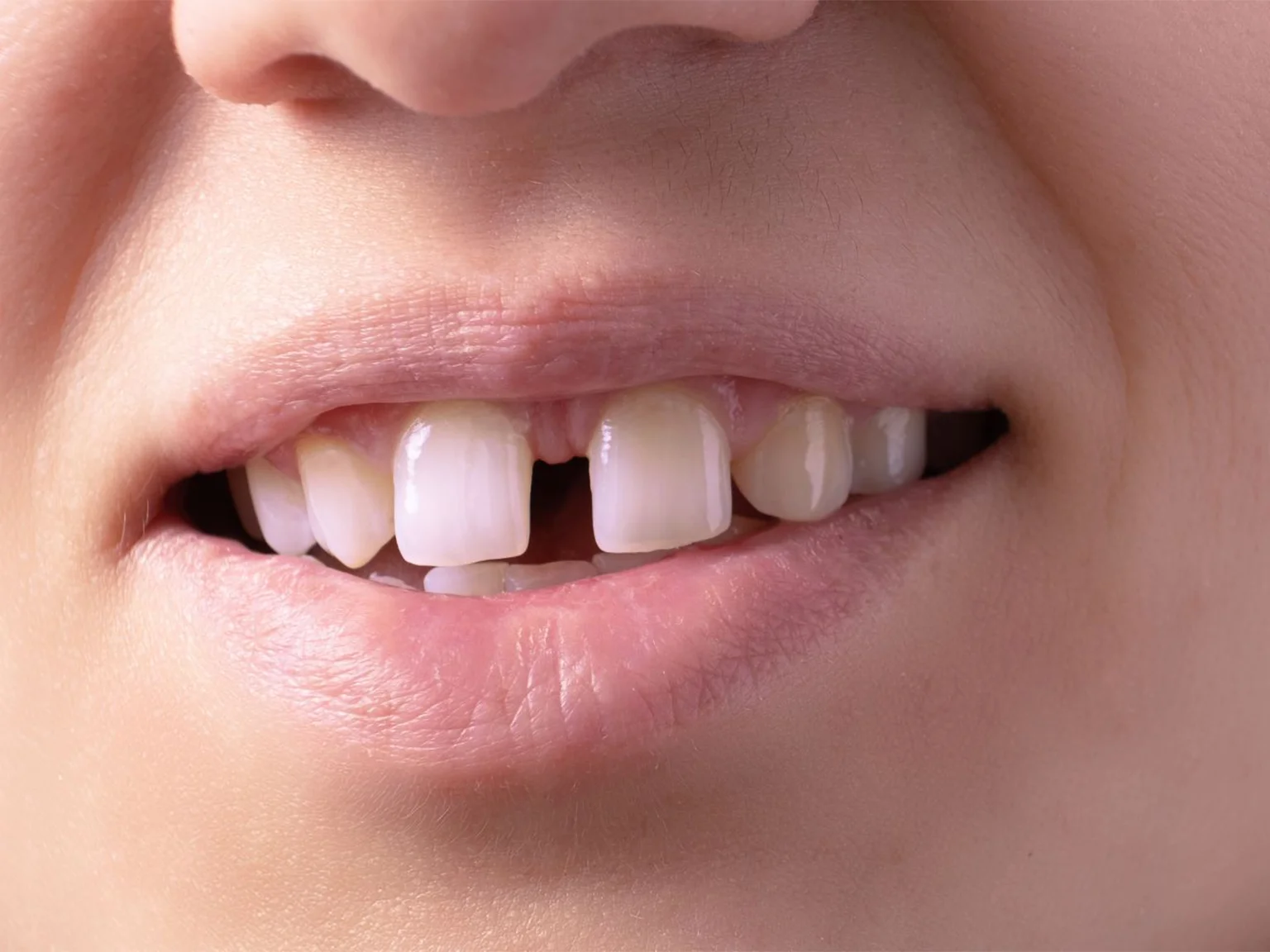
Types of Dentures Available in Surat
The right type depends on how many teeth you have lost, the health of your gums and bone, and your budget.
Complete (Full) Dentures: Complete dentures in Surat replace all the teeth in the upper or lower jaw. They rest on the gums and are held in place by suction and a close fit, helped by denture adhesive if needed. The upper denture covers the palate. The lower denture is horseshoe-shaped to leave room for the tongue, and it usually feels less stable than the upper.
Partial Dentures: Partial dentures replace some missing teeth and clip onto the natural teeth beside the gap. They fill gaps, make chewing easier and help prevent the remaining teeth from drifting out of position. Options include acrylic bases and, in some cases, a metal framework for strength.
Immediate Dentures: Immediate dentures are made in advance and fitted on the day your teeth are removed, so you are not without teeth during healing. Because the gums shrink as they heal, they usually need relining or replacement within a few months.
Flexible Partial Dentures: Flexible dentures use a thin, bendable material that some patients find lighter and more comfortable than rigid acrylic. They do not suit every mouth and may be harder to adjust or repair.
Overdentures and Snap-In Dentures: An overdenture is a denture that fits over a few natural teeth or dental implants. A snap-in denture is an overdenture that clips onto implants, so it stays far more stable than a conventional denture, while still being removable for cleaning.
Fixed Implant-Supported Dentures: A fixed implant-supported denture is attached to implants and is not removed at home. It gives the most stable and natural-feeling result, but it needs enough healthy bone, a longer treatment time and a higher cost.
Dentures vs Dental Implants vs Bridges: Which Is Right for You?
Dentures have the lowest upfront cost, need no surgery and can replace many teeth at once. They are removable, can move slightly and need relining and replacement over time.
Dental implants replace the tooth root with a titanium post, so they feel firmer and help keep the jawbone stimulated. They need surgery, enough bone and a longer treatment time, and they cost more upfront.
Bridges are fixed teeth held by the teeth on either side of a gap. They suit one or a few missing teeth with healthy neighbours, but the neighbouring teeth must be shaped to hold the bridge.
In many cases, a good middle path is an implant-retained denture, which uses a small number of implants to stabilise a denture. We will talk through your health, bone, budget and goals before recommending one.
-
Denture Treatment Process: Step by Step
- Consultation and examination: We examine your mouth and jaw, take X-rays if needed and talk about what you want from your dentures.
- Preparing the mouth: Any decay or gum problems are treated. If teeth must be removed, we plan when to fit the dentures. Healing before a conventional denture can take several weeks.
- Impressions: Moulds of your gums and teeth are taken to make a model.
- Bite records: We record how your jaws meet and choose the shape and shade of the teeth.
- Try-in: A trial denture, often in wax, is placed so you can check the look, bite and comfort. Changes are made at this stage.
- Final denture: The finished dentures are made in the lab.
- Fitting and adjustments: We fit the dentures, check the bite and adjust any sore spots.
- Review visits: You return after a few days and weeks so we can fine-tune the fit.
Getting Used to Your New Dentures
It takes time to get used to new dentures. In the first days you may notice extra saliva, a feeling of fullness, a slight change in speech and some sore spots. These usually settle in a few weeks.
Eating With New Dentures: Start with soft foods cut into small pieces, chew slowly and use both sides of your mouth. Add firmer foods as you feel comfortable. Avoid very hard or sticky foods in the first weeks.
Speaking and Sore Spots: Read aloud or practise difficult words to help your tongue and lips adjust. If a spot is sore, do not wait. Come back so we can adjust the denture. Do not file or adjust it yourself.
Patients Served
of Dental Excellence
Five-Star Reviews
How to Clean and Care for Your Dentures
- Remove your dentures after meals and rinse them under running water.
- Brush them daily with a soft denture brush and a non-abrasive denture cleaner. Ordinary toothpaste can scratch them.
- Clean your gums, tongue and palate with a soft toothbrush each morning and night.
- Clean over a towel or a basin of water, in case you drop them.
- Remove them at night, unless your dentist advises otherwise, and keep them in clean water or a denture solution.
- Never use hot or boiling water, which can warp them.
- See your dentist for check-ups, at least once a year or as advised.
Cleaning your dentures and mouth well also helps prevent bad breath and denture-related gum soreness. Our oral hygiene tips cover the basics for any remaining natural teeth.
Surgical Extraction for Impacted Wisdom Teeth: If the tooth is stuck in the gum or bone, a small opening is made in the gum to reach it. A little bone may be removed, and the tooth may be divided into sections so it can come out safely. Gum stitches, usually dissolvable, close the area. Impacted wisdom tooth removal in Surat is a minor surgical procedure and recovery takes longer than a simple extraction.
Soft Tissue Impaction Removal: The tooth has come through the bone but is partly covered by gum. The gum is lifted, and the tooth is removed. Removing the tooth also prevents the repeated gum infection (pericoronitis) that happens around partly erupted teeth.
Partial Bony Impaction Removal: The tooth is partly buried in the jawbone. A small amount of bone is removed to expose the tooth, which is then taken out, often in sections.
Complete Bony Impaction Removal: The tooth is fully covered by bone. This is the most involved wisdom tooth surgery in Surat and needs careful planning with X-rays, especially when the tooth lies close to nerves.
When to Reline, Repair or Replace Your Dentures
The gums and bone under dentures slowly change, so the fit loosens over time. Come in if your dentures feel loose, cause sore spots, make eating difficult, crack, or no longer look right. A reline refits the inside of the denture, and small repairs can often be done quickly. Dentures usually last about five to ten years with good care before they need replacing, but this varies. Do not use glue to repair them yourself.
Cost of Dentures in Surat
The cost of dentures in Surat depends on:
- The type of denture: Complete, partial, immediate, flexible or implant-supported.
- The material: Acrylic, flexible material or metal framework, and the quality of the teeth and base.
- The number of teeth replaced: One jaw or both.
- Extra treatment: Extractions, gum treatment or implants, if needed.
- Adjustments and follow-up: What is included in the price.
After your examination at our Sayan or Sarthana branch, you receive a written estimate before treatment begins. You can contact us to book an assessment.
Our Doctors

Dr Dhaval Patel
Implantologist, and Chairman,

Dr.Yashsvi
Head Dentist Sarthana

Dr.priya patel
Head Dentist Sayan

Dr.Vaidagna Dentist
Dentist in charge Sayan
What to Eat After Wisdom Tooth Removal:
Stick to soft, cool or lukewarm foods for the first few days, such as curd, khichdi, mashed potato, soft dal rice, scrambled eggs, soup, banana and ice cream. Avoid hot, spicy, crunchy or hard foods and anything with seeds or small grains that can lodge in the socket. Chew on the other side until it feels comfortable.
Possible Complications
Complications are uncommon but possible. They include dry socket (a lost blood clot, causing severe pain a few days after extraction), infection, prolonged bleeding and, rarely, temporary numbness of the lip or tongue. X-ray planning and following your aftercare instructions lower these risks.
Related Dental Treatments and Guides
- Dental Implants
- Root Canal Treatment
- Dental Fillings
- Tooth Decay and Cavitie
- Bad Breath Treatment
- Smile Makeover