How to Remove Cavities from Teeth at Home
What if the little pain in your mouth, which you are neglecting now, becomes a dental issue tomorrow? Dental cavities are among the most common dental issues faced by people in India. Once the tooth gets infected with the disease, it cannot be cured with home remedies. But, if identified at the right time, there are various ways through which it could be cured.
From using fluoride toothpaste, regular brushing, hydration, and avoiding sugar in food, some basic activities could play an essential role in protecting your teeth from cavities. In this guide, we will share with you what you can safely do at home for dental health, which remedies might give you temporary relief, and when you need to see a dentist for treatment of cavities.
Can You Really Remove Cavities at Home?
Well, let us just be completely honest with you on this one. The fact of the matter is that if a cavity has developed in your mouth – and the bacteria have already drilled holes into your enamel – there is nothing you can do at home to reverse this situation. That is just a hard fact which has been officially recognized by the World Health Organization, which considers tooth decay to be the most prevalent non-communicable disease around the world.
The important part of this equation is this – there are certain home practices which could help with the remineralization of your teeth if this situation is caught at the very beginning.
Early Cavity Signs You Should Never Ignore
Catching a cavity early is your best chance to slow it down at home. Watch out for these signs
- Tooth pain when consuming hot, cold, or sweet foods
- Mild toothache that comes and goes
- White or brown marks appearing on your teeth
- Visible holes or pits on the tooth when you look closely
- Pain when biting down on food
- Bad breath that continues despite regular brushing
- Dark stains on the tooth surface – black, brown or grey
If you are seeing any of these signs – start with good Oral Hygiene practices immediately, but also book a dental check-up as soon as possible. But also book a dental check-up as soon as possible. Early treatment is always easier, cheaper and less painful.
Home Remedies That Can Help Slow Cavities
These remedies will not magically remove a cavity. Once a physical hole forms, it requires professional dental treatment. However, these natural methods genuinely help protect your enamel, destroy harmful bacteria, and slow down decay—especially in the early stages.
1. Oil Pulling with Coconut Oil
Oil pulling is an ancient Ayurvedic practice backed by modern science.
- The Method: Take 1 tablespoon of pure, extra-virgin coconut oil. Swish it around your mouth for 10 to 15 minutes every morning on an empty stomach.
- How it Works: Coconut oil contains lauric acid, a natural antimicrobial. Studies show it significantly reduces Streptococcus mutans—the main bacteria responsible for tooth decay.
- Important: Never swallow the oil. Always spit it into a trash can (not the sink, to avoid clogging your pipes), and rinse your mouth thoroughly with warm water.
2. Fluoride Toothpaste: Use It the Right Way
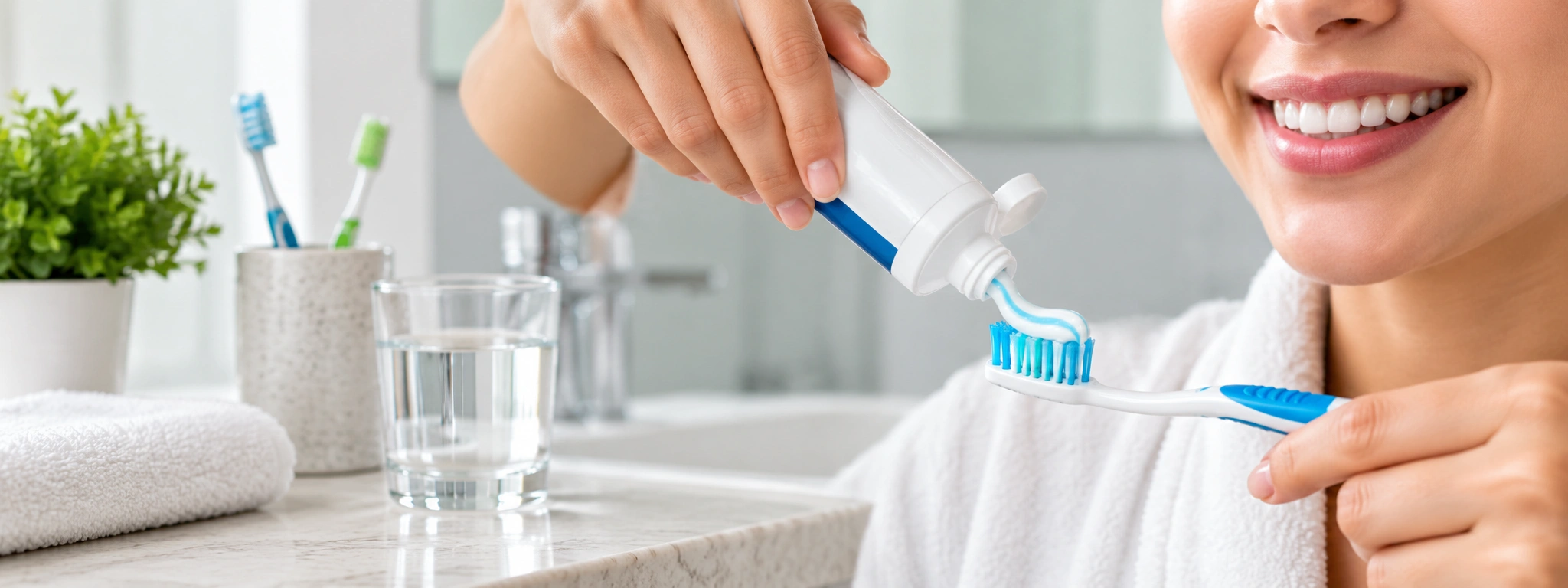
While most people brush daily, very few use their toothpaste correctly to fight cavities.
- The Routine: Brush your teeth every morning and again before going to sleep as part of your routine to clean teeth at home.
- Why Night Brushing Matters: Saliva production drops drastically while you sleep. This leaves your teeth highly vulnerable to bacterial acid attacks overnight.
- The Secret: Brush for a full 2 minutes. Do not wash your mouth with water immediately after brushing. Spit out the excess foam, but let the remaining fluoride sit on your teeth to remineralize the enamel.
3. Warm Salt Water Rinse
This is one of the simplest, quickest ways to clean an active decay site.
- The Recipe: Mix ½ teaspoon of salt into a glass of lukewarm water.
- The Routine: Rinse and gargle for 30 seconds, 2 to 3 times a day.
- How it Works: Salt water creates an alkaline environment in your mouth where bacteria cannot survive. It also draws out fluid to reduce gum swelling and mild tooth pain.
4. Clove Oil for Temporary Pain Relief
If an active cavity is causing a throbbing ache, clove oil acts as a rapid, natural numbing agent.
- The Method: Place 2 to 3 drops of pure clove oil on a small cotton ball. Carefully press it against the affected tooth for a few minutes.
- How it Works: Clove contains eugenol, a powerful natural anaesthetic and antiseptic.
- Warning: Apply it precisely to the tooth. Avoid prolonged direct contact with the surrounding gums, as concentrated clove oil can irritate sensitive tissues. This may help for a while, but it is not a permanent solution.
5. Load Up on Calcium-Rich Foods

When you consume sugar, oral acids strip minerals from your teeth. You must actively rebuild them from the inside out.
- What to Eat: Incorporate milk, curd (yogurt), paneer, cheese, ragi, sesame seeds, and dark leafy greens into your daily diet.
- What to Cut: Eliminate sugary snacks, carbonated cold drinks, and packaged juices.
- Pro-Tip: Pair your calcium intake with Vitamin D (via sunlight or diet) to help your body effectively absorb the minerals and deposit them into your teeth.
6. Neem Twigs or Neem Paste
Neem has been the backbone of traditional Indian dental care for centuries due to its potent antibacterial properties.
- Fresh Twigs (Datun): Chew gently on a fresh neem twig in the morning. The frayed fibres act as a natural toothbrush while the released juices destroy cavity-causing bacteria.
- Neem Paste: If twigs are unavailable, mix organic neem powder with a little coconut oil. Use it as a therapeutic toothpaste substitute 2 to 3 times a week.
7. Stay Hydrated with Plain Water

Drinking enough water is your mouth’s primary line of defense.
- The Target: Drink at least 8 to 10 glasses of water daily.
- How it Works: Constant hydration stimulates continuous saliva production. Saliva naturally dilutes harmful acids, washes away stuck food particles, and delivers essential minerals back to your enamel.
- The Golden Rule: If you eat something sweet or sticky and cannot brush right away, immediately rinse your mouth thoroughly with plain water.
What You Should Avoid Doing at Home
Many people make small mistakes at home that actually make their cavity worse without realising it. Before trying any home remedy, make sure you are not doing any of these things:
- Do not ignore mild pain thinking it will go away on its own
- Do not use sharp objects like pins or toothpicks to dig into the cavity
- Do not apply aspirin directly on the tooth – it burns the gum tissue
- Do not rely only on home remedies if the cavity is already visible or painful
- Do not skip night brushing – this is when bacteria are most active
- Do not eat sticky sweets like toffees and chewing gum when you have a cavity
- Do not delay dental treatment hoping the cavity will heal itself – it never does
Remember – home care is helpful only when done correctly. One wrong habit can turn a small cavity into a big dental problem that needs serious treatment later.
When Should You See a Dentist Immediately?
Home remedies are helpful – but there are certain situations where you must see a dentist without any delay –
- Pain that is constant and does not go away even with home remedies
- Visible hole or dark pit on the tooth surface
- Swelling on gum or face near the affected tooth
- Sensitivity that is getting worse with time instead of better
- Tooth pain at night that disturbs your sleep
- Pus or discharge around the tooth or gum area
- Broken or cracked tooth with pain
If you are experiencing any of these – please do not wait. A cavity that is ignored for too long can lead to root canal treatment or even tooth extraction. Early treatment at a dental clinic is always simpler, faster and much less expensive than treating an advanced cavity.
Conclusion
Cavities do not form overnight – and they do not disappear overnight either. Home remedies like oil pulling, salt water rinse, clove oil and fluoride toothpaste can genuinely help slow down early tooth decay and protect your enamel. But they are a support system – not a solution.
The real solution is catching the problem early and getting it treated by a professional before it becomes painful and expensive. If you are in Surat and looking for honest, painless cavity treatment – InfiSmiles is right here for you.
Start your home care today. But do not ignore your teeth. One dental visit can save you from months of pain later.
Frequently Asked Questions
Q1. Can a cavity heal on its own without treatment?
A very early stage cavity – where only the enamel surface is weakened – can sometimes be reversed with fluoride and good oral hygiene. But once a cavity has formed a visible hole or reached the inner layer of the tooth, it cannot heal on its own and needs professional treatment.
Q2. How long does it take for a cavity to become serious?
It depends on your diet and oral hygiene. A small cavity can take anywhere from 6 months to 2 years to become serious. But if you consume a lot of sugar and skip brushing regularly, it can worsen much faster. This is why regular check-ups every 6 months are important.
Q3. Does clove oil permanently remove cavity pain?
No. Clove oil provides temporary pain relief due to its natural anaesthetic properties. It does not treat or remove the cavity. Think of it as a painkiller – it manages the symptom but not the cause. You still need to visit a dentist for permanent relief.
Q4. Is it safe to use home remedies for cavities in children?
Salt water rinse and increased water intake are safe for children. But clove oil and oil pulling are generally not recommended for young children. For kids with cavities – it is always better to visit a pediatric dentist as early as possible since baby teeth affect the growth of permanent teeth.
Q5. How much does cavity treatment cost in Surat at InfiSmiles?
The cost depends on the size and severity of the cavity. A simple dental filling is very affordable and takes just one visit. For an accurate estimate based on your specific condition, you can visit InfiSmiles in Sayan or Nana Varachha or contact them directly for a consultation.
A very early stage cavity – where only the enamel surface is weakened – can sometimes be reversed with fluoride and good oral hygiene. But once a cavity has formed a visible hole or reached the inner layer of the tooth, it cannot heal on its own and needs professional treatment.
It depends on your diet and oral hygiene. A small cavity can take anywhere from 6 months to 2 years to become serious. But if you consume a lot of sugar and skip brushing regularly, it can worsen much faster. This is why regular check-ups every 6 months are important.
No. Clove oil provides temporary pain relief due to its natural anaesthetic properties. It does not treat or remove the cavity. Think of it as a painkiller – it manages the symptom but not the cause. You still need to visit a dentist for permanent relief.
Salt water rinse and increased water intake are safe for children. But clove oil and oil pulling are generally not recommended for young children. For kids with cavities – it is always better to visit a pediatric dentist as early as possible since baby teeth affect the growth of permanent teeth.
The cost depends on the size and severity of the cavity. A simple dental filling is very affordable and takes just one visit. For an accurate estimate based on your specific condition, you can visit InfiSmiles in Sayan or Nana Varachha or contact them directly for a consultation.