When Should You Visit a Dentist? 9 Warning Signs You Shouldn’t Ignore
Dental problems do not always begin with severe pain. The first signs of this condition become difficult to notice
because they include unplanned nosebleeds that happen during brushing, coldwater hypersensitivity, an unhealed mouth
ulcer and persistent bad breath.
Small oral health problems will develop into serious conditions which cause greater pain and require more costly
treatment when people choose to ignore them. Regular dental visits help to find early signs of problems because
dental
issues become easier to treat at this stage.
The topic holds special significance for Indian patients because their dental visits extend beyond basic procedures
like
fillings and cleanings. A dentist can also check your gums, bite, oral tissues, and warning signs that may need
early
attention, including suspicious ulcers or red and white patches in the mouth.
The Indian Dental Association states that oral health requires people to undergo regular check-ups, and it
recommends
that adults have their full periodontal assessment conducted once each year.
When Should You Visit a Dentist?
You should visit a dentist if you have tooth pain lasting more than 2 days, bleeding or swollen gums, a mouth ulcer that
lasts more than 2 to 3 weeks, persistent bad breath, loose teeth, jaw pain, or sensitivity that does not improve.
You should seek urgent dental or emergency care if you have severe tooth pain with fever, facial swelling, pus, or
trouble swallowing or breathing.
Why Early Dental Visits Matter
Many dental conditions start quietly. Cavities may first show up as sensitivity or a sharp pain while eating or
drinking. Gum disease can begin with mild bleeding and tenderness.
Oral lesions may look harmless at first, but still need a dentist’s opinion if they do not settle in time. Getting
checked early can prevent pain, infection, gum damage, tooth loss, and more complicated treatment later.
Common Symptoms and Warning Signs You Should Not Ignore
1) Toothache That Lasts or Keeps Coming Back
A toothache is one of the clearest signs that you should book a dental appointment. NHS guidance says you should see
a
dentist if a toothache lasts more than 2 days.
ADA patient guidance also notes that mouth or jaw pain may come from a cavity, gum disease, an abscess, or an
impacted
tooth, which is why pain should be checked rather than managed at home for too long.
When it may be urgent:
If the pain becomes severe, throbbing, or is accompanied by fever and chills, that can signal a dental emergency.
Cleveland Clinic advises seeking urgent care if unbearable tooth pain occurs with fever or chills, as oral
infections
can spread.
Example:
A mild toothache after sweets may point to early decay. A severe throbbing pain that wakes you up at night may
indicate
a more serious problem that needs prompt treatment.
2) Bleeding Gums or Swollen Gums
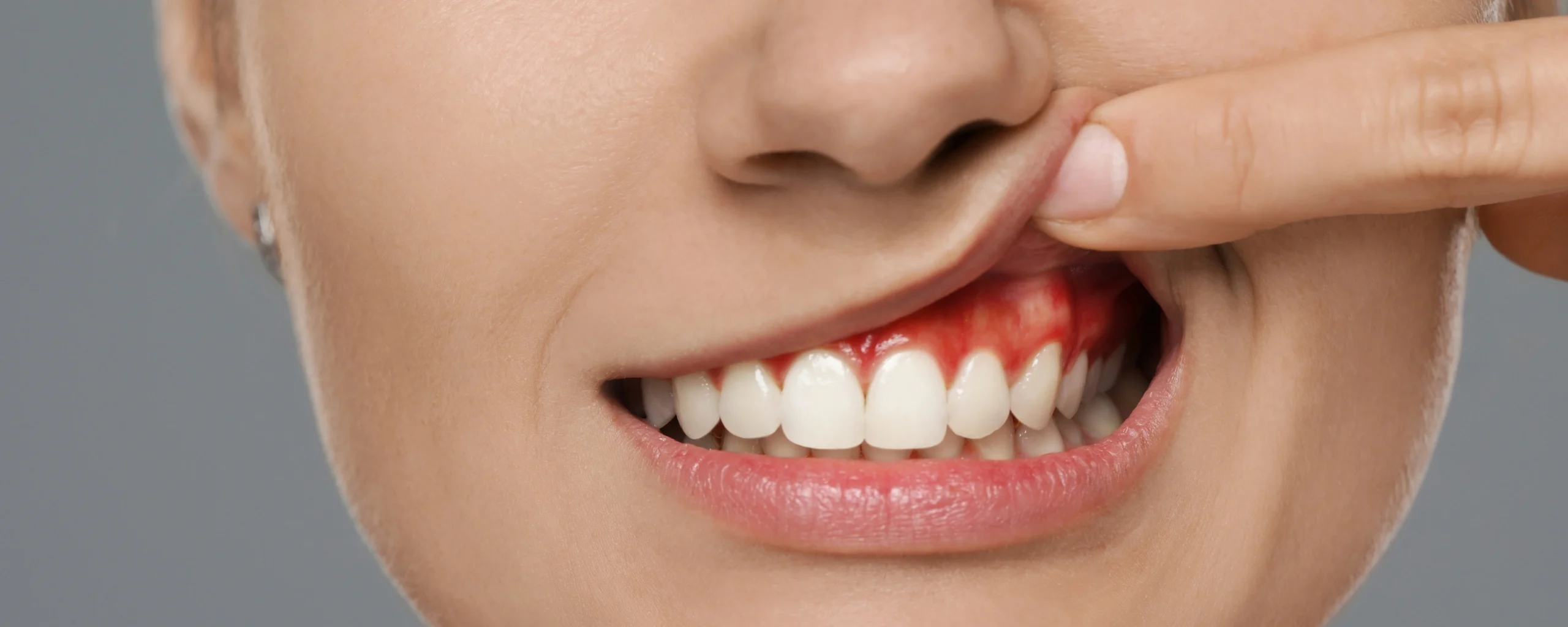
Many people think bleeding gums are normal, especially while brushing or flossing. They
are not. Regular bleeding, sore gums, red gums, swelling, or tenderness can be early signs of gingivitis or gum
disease.
ADA and NHS patient guidance both list bleeding and swollen gums as reasons to see a
dentist.
Why this matters
Gum disease often starts mildly, but if it progresses, it can lead to gum recession,
loose teeth, bone loss, and long-term oral health problems.
3) Sensitive Teeth That Do Not Improve
Sharp discomfort when drinking something cold, eating sweets, or brushing can be a sign
of tooth sensitivity. This may happen because of enamel wear, cavities, exposed tooth roots, gum recession, or other
dental problems.
If sensitivity continues for a few weeks or starts getting worse, it is worth visiting a
dentist instead of only switching toothpaste and hoping it settles.
Example:
If ice water gives you a quick, sharp pain once in a while, it may be sensitivity.
If even room-temperature drinks start hurting, that is a stronger reason to get checked.
4) Mouth Ulcer That Does Not Heal

Most mouth ulcers clear up within 1 to 2 weeks. But if an ulcer lasts longer than 3
weeks, NHS advice says you should see a GP or dentist. Indian and oral cancer-focused guidance also flags mouth
sores, ulcers, red patches, and white or red lesions that do not heal as warning signs that need evaluation.
Why patients in India should pay attention
Persistent ulcers or patches should never be ignored, especially in people with tobacco
or alcohol exposure. Early examination matters because dentists are often the first professionals to spot suspicious
oral changes.
5) Persistent Bad Breath or a Bad Taste in the Mouth
Bad breath can happen after certain foods, but breath that stays bad even after brushing
and mouthwash may point to plaque buildup, gum disease, dry mouth, decay, or infection. ADA gum disease guidance
lists persistent bad breath or a bad taste as warning signs worth checking.
When it needs faster care
If bad breath comes with swelling, pus, fever, or a foul taste from one area, a tooth or
gum infection may be involved.
6) Loose Teeth, Receding Gums, or Changes in Your Bite
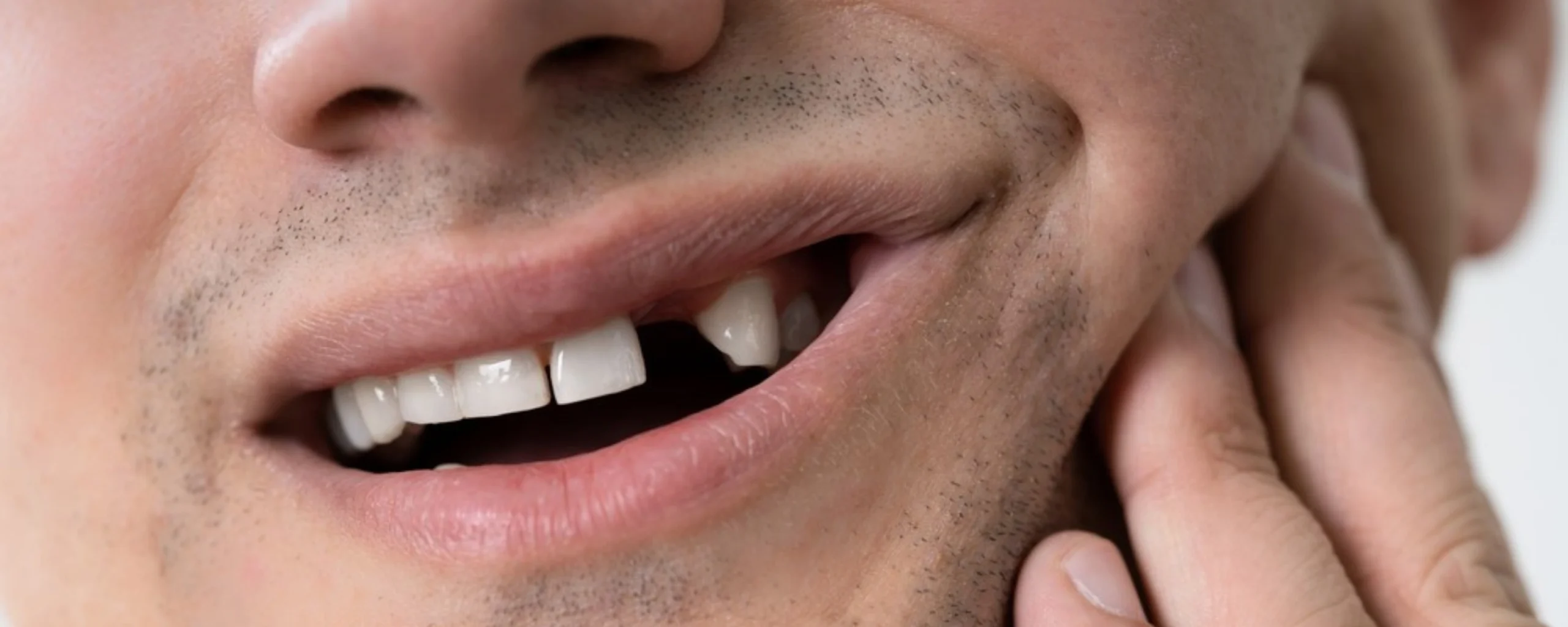
Adult teeth should maintain their complete stability at all times. The presence of
receding gums, together with dental mobility and altered bite symptoms, indicates the progression of gum disease and
other dental conditions.
The American Dental Association recognises loose teeth and bite alterations as critical
warning signs for patients. The first dental symptom shows itself through immediate pain, but people first need to
experience it before they recognise its existence.
The delay in seeking medical attention results in increased difficulty during the
process of receiving treatment.
7) Jaw Pain, Facial Pain, or Pain While Chewing
Jaw pain can come from tooth infection, grinding, TMJ issues, gum disease, sinus
problems, or injury. MouthHealthy notes that symptoms such as tenderness of the jaw, pain when biting, ear-area
pain, or headaches deserve a dental assessment to identify the cause.
See a dentist sooner if:
- Chewing feels painful on one
side - Your jaw clicks and locks
- The pain spreads to the ear or
temple - You also have swelling or tooth
pain
8) Swelling, Pus, Fever, or a Dental Abscess
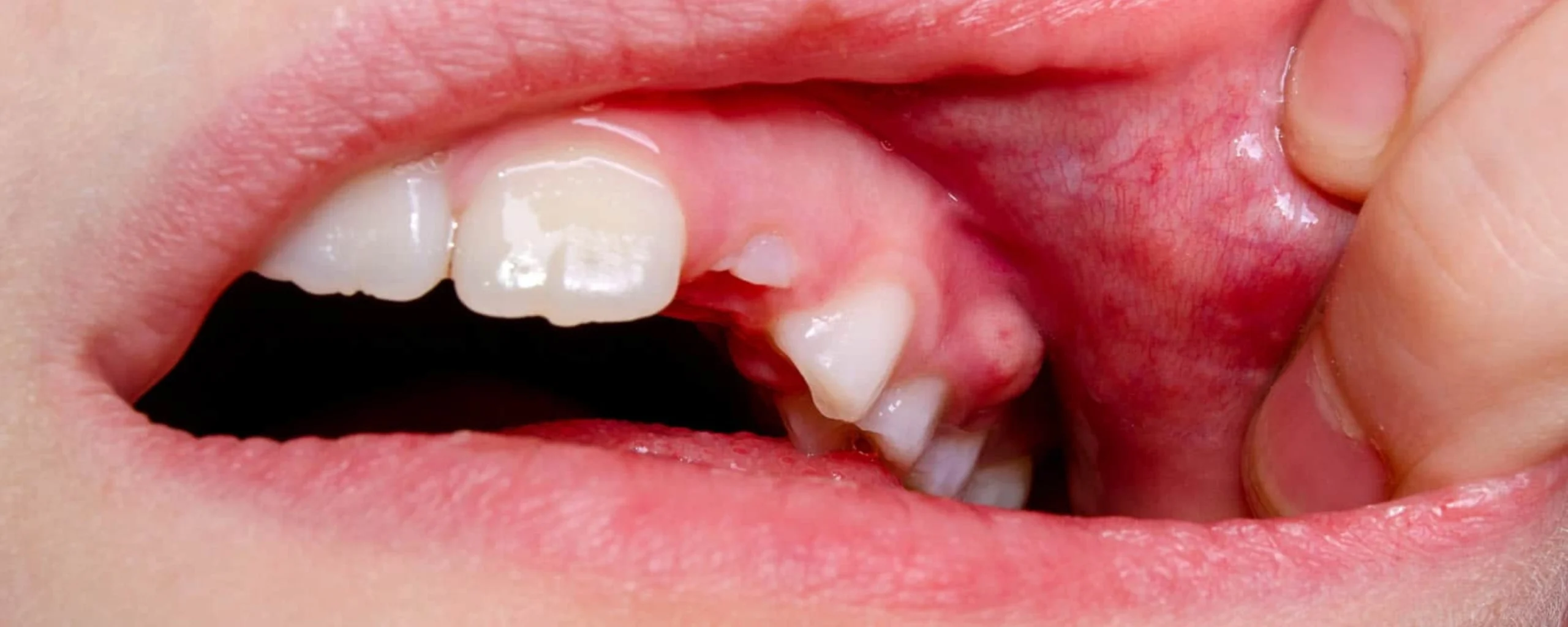
The most critical warning group includes this particular group. Gum swelling, together
with facial and jaw expansion, indicates the presence of an infection. Dental abscesses produce symptoms that
include fever, bad taste, swollen lymph nodes, pain during chewing, and overall body discomfort.
A dental emergency occurs when a person experiences severe pain together with fever and
chills, while facial swelling that makes swallowing or breathing difficult requires immediate medical
assistance.
Example:
A small gum pimple with pain may be a local infection. The medical condition that causes
a person to experience fever and facial swelling requires immediate treatment because it presents more dangerous
symptoms than a person who requires standard medical treatment.
9) Red or White Patches, Lumps, or Numbness in the Mouth
Some people need immediate medical assessment because their patches and lumps contain
dangerous elements, while others require assessment.
The Indian Dental Association and oral cancer-focused public guidance list a sore mouth
that does not heal, white or red lesions, persistent tenderness, difficulty chewing or swallowing, numbness, and jaw
movement problems as important warning signs.
The first symptoms of oral changes usually start without causing any discomfort.
When Should You See a Dentist Even if Nothing Hurts?
The dentist must schedule appointments for routine check-ups because these visits allow
us to identify dental issues before they cause pain. The Indian Dental Association requires check-ups as essential
dental care, while NHS guidelines state that dental visit frequency should depend on individual risk, with typical
low-risk adults receiving assessments between 12 and 24 months. IDA also recommends an annual periodontal evaluation
for adults.
In simple terms, you may need more frequent visits if you: often get cavities, have gum
disease, have diabetes with dry mouth issues, are pregnant, wear braces, dentures or dental implants. Along with
these, smoking and use of tobacco, and a history of oral lesions and frequent mouth ulcers, can’t be ignored or
taken lightly. In such a case, it is important to visit a dentist.
When It is a Dental Emergency
Call a dentist urgently, or go for emergency care, if you have any of these:
Severe warning signs
These symptoms can point to infection, trauma, or complications that should not
wait.
- severe tooth pain with fever or
chills - swelling of the face, jaw, or
neck - pus or foul-tasting discharge
- trouble swallowing or breathing
- uncontrolled bleeding
- a knocked-out or badly broken tooth
after injury
What Happens During a Dental Visit for These Symptoms?
During a dental visit, the dentist will generally examine your teeth and gums, ask
questions related to your symptoms, and properly check the soft tissues of your mouth. Once examination and
questioning are done according to their observation and condition of patients’ teeth and gums, they’ll recommend a
few tests and further treatments like X-Ray, gum treatment, root canal, cleaning, teeth whitening, extractions and
medications.
To get immediate relief, they may also recommend a few injections. And for long-term
relief, regular visits and appointments with an experienced dentist are important.
Simple Tips Before Your Appointment
Every day, simple tips that can provide you with some relief till the time you schedule
an appointment. These are not substitutes for treatment, but they may help while you wait. Follow the steps
below:
- Make sure to keep the affected area
clean - Avoid extreme cold and hot food or
beverages that can trigger the pain - Always brush with lukewarm water
- In case you observe swelling in the
affected area, use a cold ice pack to get immediate relief. - Also, avoid direct application of
aspirin to the tooth or gums.
If you have swelling with fever, or trouble swallowing or breathing, skip home care and
seek urgent help.
Conclusion
People should visit dentists at times which extend beyond their periods of intense
dental pain. You must visit the dentist when you experience ongoing tooth pain, gum bleeding, tooth sensitivity, unhealed ulcers and unusual swelling. The process of early treatment provides two main benefits because it decreases
pain and lowers medical costs while also protecting your general health.
If you are experiencing any dental symptoms, it’s important not to delay treatment.
Early care can prevent serious complications and protect your oral health. For expert
guidance and advanced treatments, you can visit a trusted dental clinic in Surat</a> and take the right step toward a healthy smile.