How to Clean Teeth at Home: 10 Dentist-Approved Tips
Clean teeth are not only important for a bright smile. They also protect your mouth from plaque, cavities, bad breath, gum swelling, bleeding gums, and tartar buildup. A good home dental care routine can make a big difference in your daily oral health.
Many people search for how to clean teeth at home because they want simple, safe, and affordable oral care habits. The good news is that you do not need complicated methods. Most dentist-approved teeth cleaning tips are based on regular brushing, flossing, tongue cleaning, healthy food choices, and avoiding harmful home remedies.
However, home teeth cleaning has limits. You can remove soft plaque at home, but hardened tartar cannot be safely removed. For tartar removal and deep cleaning, visiting a professional teeth cleaning clinic is the safest and most effective option.
This blog explains 10 dentist-approved tips to clean teeth at home safely, along with common mistakes one should avoid to maintain good oral health.
What Does Teeth Cleaning at Home Mean?
Teeth cleaning at home means following a daily oral hygiene routine to remove food particles, plaque, bacteria, and surface buildup from your teeth and gums.
It includes:
- Brushing teeth properly
- Flossing between teeth
- Cleaning the tongue
- Drinking water after meals
- Limiting sugar
- Using safe dental products
- Avoiding harmful remedies
- Watching gum health
- Visiting a dentist when needed
Teeth cleaning at home is not the same as professional dental cleaning. Home cleaning controls daily plaque, while professional cleaning removes tartar and deep deposits.
Why Cleaning Teeth at Home Is Important
Your teeth collect plaque every day. Plaque is a soft, sticky film that builds up on your teeth full of bacteria. It appears frequently after eating/drinking. When not cleaned away plaque can harden into tartar and cause cavities or worse, gum disease!
Brushing your teeth at home will:
- Eliminate soft plaque
- Eliminate Bad Breath
- Decrease your risk of cavities
- Promote healthier gums
- Help prevent tartar buildup
- Lessen remaining food particles
- Whiten your smile
- Improve smile freshness
- Maintain oral hygiene
- Protect enamel
- Support long-term dental health
A simple daily routine can prevent many common dental problems.
10 Dentist-Approved Tips to Clean Teeth at Home
Good oral hygiene starts at home — and the right daily habits make all the difference between healthy teeth and costly dental visits. These 10 dentist-approved tips on how to clean teeth at home cover everything from brushing technique and flossing to diet choices and tongue cleaning, giving you a simple, complete routine recommended by the team at InfiSmiles Dental Clinic, Surat.
1. Brush Twice Daily with Fluoride Toothpaste
Brushing twice a day is the foundation of home dental care. It removes plaque, food particles, and bacteria from tooth surfaces.
Use fluoride toothpaste because fluoride helps protect tooth enamel and supports cavity prevention. Brush once in the morning and once before sleeping at night.
Best brushing method
Use a soft-bristled toothbrush. Place it at a slight angle toward the gumline. Move the brush gently in small circular motions. Clean the front, back, and chewing surfaces of all teeth.
Do not brush too hard. Hard brushing can damage gums and enamel. Gentle brushing with proper technique is more effective than aggressive scrubbing.
2. Brush for Two Full Minutes
Many people brush daily but do not brush long enough. A quick 30-second brushing may not clean all areas properly. Dentists usually recommend brushing for about two minutes.
Divide your mouth into four sections:
- Upper right
- Upper left
- Lower right
- Lower left
Spend around 30 seconds on each section. This helps you clean all teeth evenly and avoid missing back teeth.
Using a timer or electric toothbrush with a timer can help improve your brushing routine.
3. Do Not Forget the Gumline
Plaque often collects near the gumline. If this area is not cleaned properly, it can lead to gum swelling, bleeding, bad breath, and tartar buildup.
When brushing, gently clean where the teeth meet the gums. Do not push the brush too hard into the gums. Use soft pressure and slow movement.
Healthy gums should not bleed regularly. If you notice bleeding while brushing or flossing, it may be a sign of plaque buildup or gum inflammation. Visit a dentist if bleeding continues.
4. Floss Once Every Day
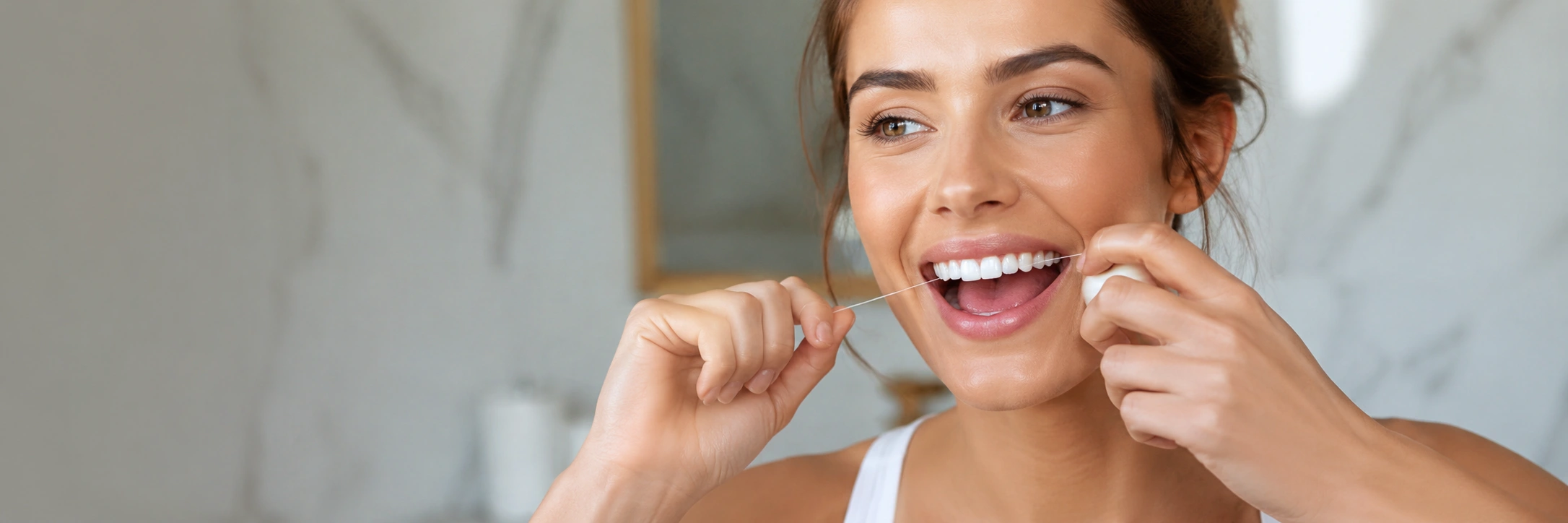
A toothbrush cannot fully clean between teeth. Food particles and plaque often get stuck in tight spaces where brush bristles cannot reach. That is why flossing is important.
Flossing helps remove plaque between teeth and under the gumline. It also helps reduce bad breath caused by trapped food.
Safe flossing tips
- Use gentle movement
- Curve the floss around each tooth
- Do not snap floss into gums
- Use a clean section for each tooth
- Floss once daily, preferably at night
- Try floss picks if normal floss is difficult
Flossing may feel uncomfortable at first, but it becomes easier with practice.
5. Use Interdental Brushes or Water Flossers When Needed
Some people find regular floss difficult to use. In that case, interdental brushes or water flossers can help clean between teeth.
Interdental brushes may be useful for people with:
- Gaps between teeth
- Braces
- Bridges
- Dental implants
- Gum recession
- Food trapping areas
Water flossers may help people who have braces, crowns, sensitive gums, or difficulty using string floss. Ask your dentist which option is best for your teeth.
6. Clean Your Tongue Daily
The tongue can hold bacteria, food particles, and dead cells. This can cause bad breath and affect overall mouth freshness.
Clean your tongue once daily using a tongue scraper or the back of your toothbrush. Start from the back of the tongue and gently move forward.
Tongue cleaning tips
- Use light pressure
- Rinse the scraper after each stroke
- Do not scrape too hard
- Stop if you feel pain
- Clean the tongue after brushing
Tongue cleaning is a simple step, but it can make your mouth feel much cleaner.
Alos Read: 10 Essential Oral Hygiene Tips for Healthy Teeth
7. Rinse Your Mouth with Water After Meals

Water is one of the simplest ways to support oral hygiene. After meals or snacks, rinsing with water can help remove loose food particles and reduce sugar or acid residue in the mouth.
This is especially helpful after:
- Tea or coffee
- Sweet foods
- Sticky snacks
- Soft drinks
- Fruit juices
- Starchy foods
- Meals outside home
Water does not replace brushing or flossing, but it supports cleaner teeth between brushing times.
8. Limit Sugary and Sticky Foods
Sugar feeds plaque bacteria. When bacteria come in contact with sugar and starch, they produce acids that can attack tooth enamel and increase cavity risk.
Try to reduce:
- Candies
- Sugary tea
- Soft drinks
- Packaged juices
- Cakes
- Biscuits
- Sticky sweets
- Frequent snacking
- Refined carbohydrates
You do not need to stop every sweet food completely. The bigger problem is frequent sugar exposure throughout the day. Try to eat sweets with meals instead of snacking repeatedly.
9. Replace Your Toothbrush Regularly
An old toothbrush does not clean teeth properly. Worn-out bristles cannot remove plaque effectively and may irritate gums.
Replace your toothbrush:
- Every 3 to 4 months
- When bristles become frayed
- After illness
- When the brush looks dirty
- If it loses shape
Use a soft-bristled toothbrush with a comfortable handle and small head. A small brush head helps clean back teeth more easily.
Electric toothbrushes can also be useful for people who struggle with manual brushing.
10. Avoid Harmful Home Remedies
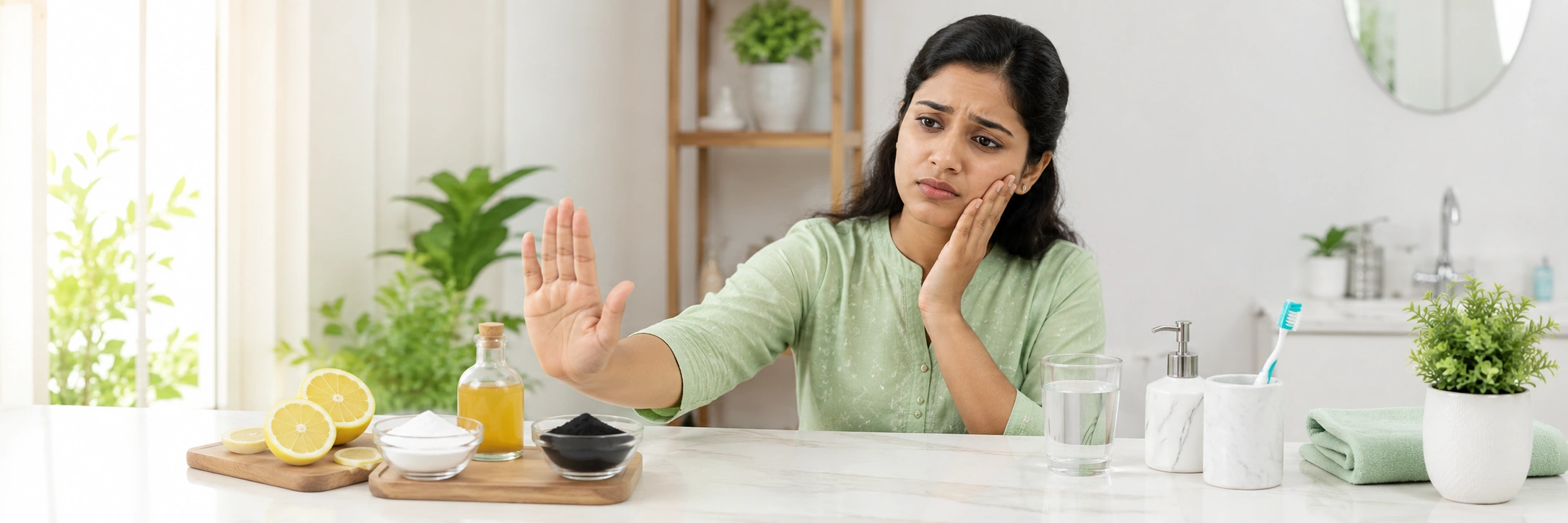
Many online teeth cleaning hacks can damage your teeth and gums. Some remedies may look natural, but they can be unsafe.
Avoid using:
- Lemon juice
- Vinegar
- Charcoal powder
- Salt scrubbing
- Baking soda with lemon
- Hard toothpicks
- Metal scrapers
- Hydrogen peroxide without advice
- Rough whitening powders
- Excessive brushing
Acidic and abrasive remedies can weaken enamel, increase sensitivity, and irritate gums. Safe teeth cleaning at home should be gentle, consistent, and dentist-approved.
Alos Read: How to Protect Your Teeth from Cavities
Best Daily Teeth Cleaning Routine at Home
- Morning: Brush for two minutes with fluoride toothpaste. Lightly brush your tongue. After breakfast, rinse your mouth with water.
- After Eating: Drink water or at least rinse your mouth after your meal. Try to avoid eating too many sugary and sticky snacks. Use sugar-free gum when you cannot brush your teeth.
- Night: Floss and/or use interdental cleaning aids. Brush with fluoride toothpaste. Try to avoid all sugary snacks after brushing.
- Weekly Look: Check gums for bleeding, mouth odors, sensitivity swelling, and tartar. If you see any of these symptoms, book an appointment to see the dentist.
Common Teeth Cleaning Mistakes to Avoid
Daily brushing doesn’t always mean you have a healthy mouth. People often ask dentists questions like how to clean teeth at home, but even after proper guidance, lots of people make small errors and still have dental issues.
Here are some errors you should avoid:
- Brushing too aggressively
- Brushing too quickly
- Neglecting to floss
- Not brushing along the gumline
- Forgetting to brush your tongue
- Allowing toothbrushes to wear out
- Consuming too many sugary snacks and drinks
- Whitening your teeth with lemon or vinegar
- Attempting to remove tartar yourself
- Neglecting dental visits
Remember, brushing twice a day isn’t just how long you brush, it’s how you brush.
Dentist-Approved Home Teeth Cleaning Advice
Teeth cleaning advice should be safe, practical, and based on trusted dental guidance. Viral home remedies may sound attractive, but they can cause long-term damage.
For safe dental care at home:
- Use fluoride toothpaste
- Choose a soft-bristled toothbrush
- Brush gently twice daily
- Clean between teeth daily
- Avoid acidic home remedies
- Do not scrape tartar yourself
- Visit a qualified dentist regularly
- Ask for personal advice if you have braces, implants, crowns, diabetes, gum disease, or sensitivity
Dentist-approved oral hygiene focuses on prevention, safety, and consistency.
Whether you live in Delhi, Mumbai, Bangalore, Jaipur, Ahmedabad, Surat, Pune, Hyderabad, Chennai, or any other city, daily oral hygiene should be supported by regular professional dental checkups.
Keep Your Smile Healthy with InfiSmiles
Daily oral care is the first step toward strong teeth and healthy gums—but regular dental checkups are just as important. InfiSmiles Dental Clinic offers expert, painless dental care to help you prevent problems before they become serious.
Book Your Dental Checkup with InfiSmiles Today!
Conclusion
Cleaning your teeth at home isn’t complex once you know the routine. You need to brush your teeth with fluoride toothpaste twice daily, use dental floss once daily, scrape your tongue, rinse your mouth with water post-meal, limit sugar, and avoid harmful at-home treatments.
Safety is the number one rule. Do NOT attempt any of the following at-home treatments to clean teeth: cleaning mouth with lemon or vinegar, using charcoal, salt scrubbing, or any sharp tools. These can ruin both gums and enamel.
Daily cleaning, safe at-home practices, and regular dentist appointments will allow you to build and maintain a healthy smile.
Frequently Asked Questions
How to clean teeth at home properly?
To clean teeth at home properly, brush twice daily with fluoride toothpaste, floss once a day, clean your tongue, rinse after meals, limit sugary foods, and replace your toothbrush regularly for better plaque removal.
What is the best home dental care routine?
The best home dental care routine includes morning brushing, night brushing, daily flossing, tongue cleaning, drinking water after meals, avoiding frequent sugar, and visiting a dentist regularly for professional teeth cleaning.
Can I clean yellow teeth at home?
You can reduce surface stains at home by brushing properly, limiting tea, coffee, tobacco, and sugary foods, and maintaining oral hygiene. Deep stains or tartar-related yellowing usually need professional dental cleaning.
Can tartar be removed at home naturally?
No, tartar cannot be removed safely at home naturally. Hardened tartar needs professional scaling by a dentist. Scraping teeth with tools, salt, charcoal, or harsh remedies can damage gums and enamel.
Which toothpaste is best for cleaning teeth at home?
A fluoride toothpaste is best for cleaning teeth at home because it helps remove plaque and protect enamel from cavities. People with sensitivity, gum issues, or braces should ask a dentist for suitable toothpaste.
Is flossing necessary for clean teeth?
Yes, flossing is necessary because brushing cannot fully clean between teeth. Daily flossing removes plaque, food particles, and bacteria from tight spaces where cavities and gum problems often begin.
How often should I clean my teeth at home?
You should brush twice daily, floss once daily, clean your tongue daily, and rinse your mouth with water after meals. Regular dental checkups are also important for professional cleaning and oral health monitoring.
How often should I replace my toothbrush?
You should replace your toothbrush every 3 to 4 months or earlier if the bristles become frayed. A worn toothbrush cannot clean teeth properly and may be less effective for plaque removal.
Is mouthwash needed for teeth cleaning at home?
Mouthwash can support oral hygiene, but it cannot replace brushing and flossing. Choose a dentist-recommended mouthwash if you have bad breath, gum issues, cavities, or special oral health needs.
Can I use baking soda to clean teeth?
Baking soda may help with surface cleaning when used carefully, but harsh scrubbing can damage enamel. It is safer to use a dentist-approved toothpaste instead of homemade abrasive mixtures.
Why do my teeth feel dirty after brushing?
Teeth may feel dirty after brushing due to poor technique, missed gumline areas, plaque buildup, tartar, old toothbrush, or not flossing. A dentist can check if professional cleaning is needed.
When should I visit a dentist for teeth cleaning?
Visit a dentist for teeth cleaning if you have tartar, bleeding gums, bad breath, tooth sensitivity, gum swelling, loose teeth, stains, or plaque buildup that does not improve with home care.
To clean teeth at home properly, brush twice daily with fluoride toothpaste, floss once a day, clean your tongue, rinse after meals, limit sugary foods, and replace your toothbrush regularly for better plaque removal.
The best home dental care routine includes morning brushing, night brushing, daily flossing, tongue cleaning, drinking water after meals, avoiding frequent sugar, and visiting a dentist regularly for professional teeth cleaning.
You can reduce surface stains at home by brushing properly, limiting tea, coffee, tobacco, and sugary foods, and maintaining oral hygiene. Deep stains or tartar-related yellowing usually need professional dental cleaning.
No, tartar cannot be removed safely at home naturally. Hardened tartar needs professional scaling by a dentist. Scraping teeth with tools, salt, charcoal, or harsh remedies can damage gums and enamel.
A fluoride toothpaste is best for cleaning teeth at home because it helps remove plaque and protect enamel from cavities. People with sensitivity, gum issues, or braces should ask a dentist for suitable toothpaste.
Yes, flossing is necessary because brushing cannot fully clean between teeth. Daily flossing removes plaque, food particles, and bacteria from tight spaces where cavities and gum problems often begin.
You should brush twice daily, floss once daily, clean your tongue daily, and rinse your mouth with water after meals. Regular dental checkups are also important for professional cleaning and oral health monitoring.
You should replace your toothbrush every 3 to 4 months or earlier if the bristles become frayed. A worn toothbrush cannot clean teeth properly and may be less effective for plaque removal.
Mouthwash can support oral hygiene, but it cannot replace brushing and flossing. Choose a dentist-recommended mouthwash if you have bad breath, gum issues, cavities, or special oral health needs.
Baking soda may help with surface cleaning when used carefully, but harsh scrubbing can damage enamel. It is safer to use a dentist-approved toothpaste instead of homemade abrasive mixtures.
Teeth may feel dirty after brushing due to poor technique, missed gumline areas, plaque buildup, tartar, old toothbrush, or not flossing. A dentist can check if professional cleaning is needed.
Visit a dentist for teeth cleaning if you have tartar, bleeding gums, bad breath, tooth sensitivity, gum swelling, loose teeth, stains, or plaque buildup that does not improve with home care.