How to Remove Plaque from Teeth Naturally and Safely
Dental plaque is a common cause of many oral issues including tooth damage, bad breath, swollen gums, bleeding gums, and the formation of tartar. Plaque builds up over a day, and is especially prominent on teeth after the consumption of sugar and starch.
Many people are on the lookout for natural, safe, easy, and inexpensive ways on how to remove plaque from teeth naturally and address other dental issues through home oral care techniques. The bright side is that soft dental plaque is somewhat controllable, hinging on an individual’s daily habits.
The biggest issue is the safety of the teeth. A lot of home ‘hacks’ are actually very bad for dental health. Popular examples are the use of lemon juice, vinegar, and charcoal powder as plaque removal scrubs, as well as scraping and brushing hard. These all have a very real potential to hydrolyze enamel as well as the gums.
This blog provides answers to how to remove plaque from teeth naturally and aims to provide detailed, safe, and natural ways to remove dental plaque with emphasis on safety practices, and the signs and when a professional dental cleaning is required.
What Is Dental Plaque?
Dental plaque is a soft, sticky film of bacteria that forms on the surface of teeth and along the gumline. It may feel like a rough or slippery layer when you run your tongue over your teeth.
Plaque usually builds up:
- Between teeth
- Near the gumline
- Behind the lower front teeth
- Around braces or retainers
- Around crowns and bridges
- On teeth that are not brushed properly
- In areas where food gets stuck
If plaque is not removed daily, it can harden into tartar, also called calculus. Tartar is more difficult to remove and usually needs professional dental cleaning.
Why Plaque Should Be Removed Daily
Plaque should be removed every day because it contains bacteria that can affect teeth and gums.
If plaque is not cleaned properly, it may lead to:
- Tooth decay
- Cavities
- Bad breath
- Gum swelling
- Bleeding gums
- Tartar buildup
- Gum disease
- Tooth sensitivity
- Staining
- Loose teeth in severe cases
Daily plaque removal is one of the simplest ways to maintain healthy teeth and gums.
14 practical and effective ways to Remove Plaque from Teeth Naturally and safely
Here are 14 practical and most effective ways to remove Plaque from teeth naturally and safely. Though these tips are safe, for someone suffering from advance stage of plaque, also known as tartar, it is advised to first consult a dentist before following any harsh home remedies to remove it at home.
1. Brush Twice Daily with the Right Technique
Brushing is the first and most important step for plaque removal at home. But brushing only works well when it is done correctly.
Use a soft-bristled toothbrush and brush for about two minutes. Clean all tooth surfaces, including the front, back, chewing surfaces, and gumline.
Safe brushing tips
- Use gentle circular motions
- Hold the brush at a slight angle toward the gumline
- Do not scrub aggressively
- Brush the tongue gently
- Replace your toothbrush when bristles become worn
- Use a small-head brush to reach back teeth
- Brush at night before sleeping
Hard brushing does not remove plaque better. It can damage gums and wear down enamel. Gentle, consistent brushing is safer and more effective.
Also Read: How to Protect Your Teeth from Cavities
2. Use Fluoride Toothpaste
If you want to remove plaque from teeth safely, fluoride toothpaste is important. Fluoride helps protect enamel and supports cavity prevention.
Some people avoid fluoride because they want a “natural” oral care routine. However, from a dental safety point of view, fluoride toothpaste is one of the most trusted and recommended options for daily plaque control and tooth protection.
How to use it properly
- Use a pea-sized amount for adults
- Brush twice daily
- Spit out the toothpaste after brushing
- Avoid rinsing immediately with too much water
- Do not swallow toothpaste
Natural care should not mean avoiding proven protection. A safe routine can include natural habits along with dentist-recommended fluoride toothpaste.
3. Floss Once a Day
Brushing cannot fully clean between teeth. Plaque often hides in tight spaces where a toothbrush cannot reach. That is why flossing is essential.
Flossing helps remove plaque and food particles between teeth and under the gumline.
Safe flossing tips
- Use gentle up-and-down movement
- Curve the floss around each tooth
- Do not snap the floss into the gums
- Use clean sections of floss
- Floss once daily, preferably at night
- Try floss picks if regular floss is difficult
If your gums bleed when you start flossing, it may be due to plaque buildup or gum inflammation. If bleeding continues, visit a dentist.
4. Use Interdental Brushes or Water Flossers

Some people find regular floss difficult. In that case, interdental brushes or water flossers can help clean between teeth.
Interdental brushes may be useful for:
- Wider gaps between teeth
- Braces
- Bridges
- Gum recession
- Dental implants
- Food trapping areas
Water flossers may help people who have braces, crowns, sensitive gums, or difficulty using string floss. Ask your dentist which option suits your mouth best.
5. Clean Your Tongue Daily
Plaque-causing bacteria do not live only on teeth. They can also collect on the tongue. A coated tongue may contribute to bad breath and bacterial buildup.
Use a tongue cleaner or the back of your toothbrush to clean the tongue gently once a day.
Tongue cleaning tips
- Start from the back and move forward
- Use light pressure
- Rinse the cleaner after each stroke
- Do not scrape too hard
- Stop if you feel pain or bleeding
Tongue cleaning supports fresher breath and better oral hygiene.
6. Drink More Water
Water is one of the simplest natural ways to support plaque control. It helps wash away food particles, reduce dry mouth, and support saliva flow.
Saliva naturally helps protect the mouth by neutralizing acids and cleaning food debris. When the mouth is dry, plaque can build up faster.
Water helps by
- Rinsing food particles
- Reducing sugary residue
- Supporting saliva production
- Preventing dry mouth
- Keeping the mouth cleaner between meals
Drink water after meals, snacks, tea, coffee, and sugary foods to reduce plaque risk.
7. Limit Sugary and Sticky Foods
Plaque bacteria feed on sugars and carbohydrates. When you eat sugary foods often, bacteria produce acids that can harm enamel and increase cavity risk.
Try to reduce:
- Candies
- Sugary tea or coffee
- Soft drinks
- Packaged juices
- Cakes and biscuits
- Sticky sweets
- Frequent snacking
- Refined carbohydrates
You do not need to stop everything completely, but frequency matters. Eating sugary foods many times a day increases plaque activity.
8. Eat Fiber-Rich Foods
Crunchy, fiber-rich foods can support oral health by increasing saliva flow and helping clean the mouth naturally. They do not replace brushing, but they can support a healthier routine.
Good options include:
- Apples
- Carrots
- Cucumbers
- Leafy greens
- Celery
- Guava
- Nuts, if suitable
- Fresh salads
These foods are better snack options than sticky sweets or sugary packaged snacks.
9. Try Sugar-Free Chewing Gum After Meals
Sugar-free chewing gum can help increase saliva flow after meals. This may help clean food particles and neutralize acids in the mouth.
Choose sugar-free gum, especially xylitol-based gum if available. Avoid chewing gum if you have jaw pain, TMJ issues, or dental appliances that make chewing difficult.
Chewing gum is not a replacement for brushing or flossing. It is only a support habit when brushing is not possible immediately after meals.
10. Use Baking Soda Carefully
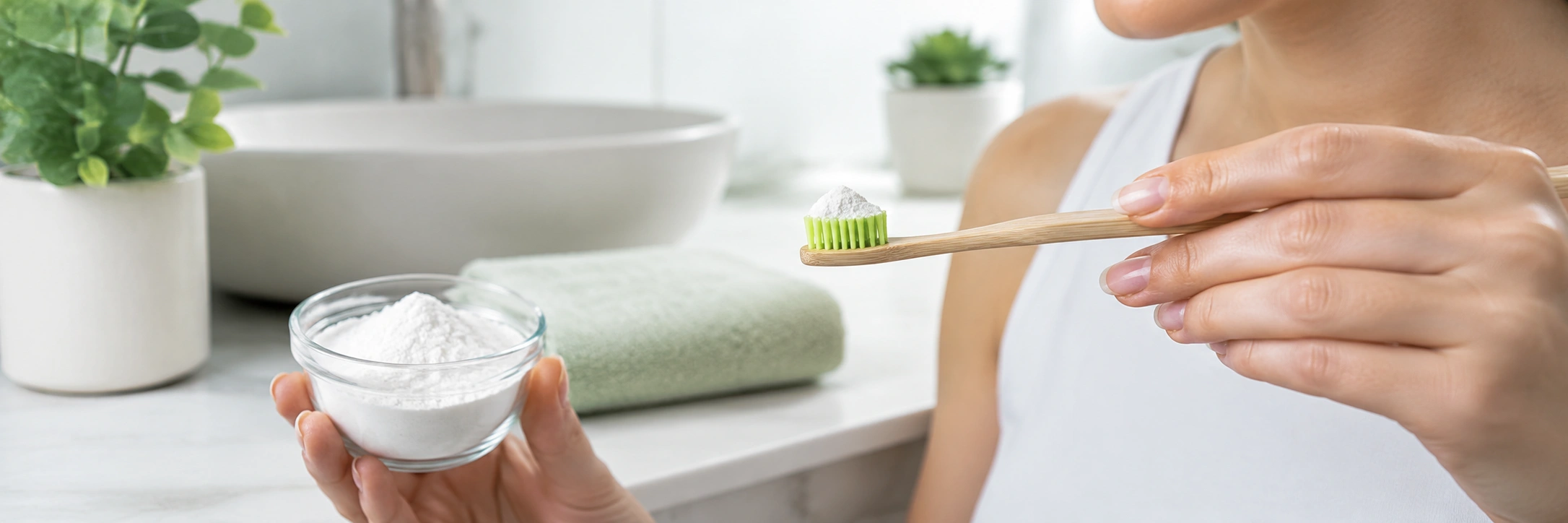
Baking soda is often discussed as a natural plaque removal method. It may help reduce surface stains and support cleaning when used properly. However, it should be used carefully.
The safer option is to choose a toothpaste that contains baking soda instead of making harsh homemade mixtures.
Safety tips
- Do not scrub aggressively
- Do not mix baking soda with lemon or vinegar
- Do not use it multiple times a day
- Stop if sensitivity increases
- Ask your dentist if you have weak enamel or gum disease
Avoid rough DIY scrubbing because it can damage enamel and irritate gums.
11. Be Careful with Oil Pulling
Oil pulling is a traditional practice where oil is swished in the mouth. Some people use coconut oil or sesame oil for this purpose. However, oil pulling should not replace brushing, flossing, or professional dental care.
If you choose to try it, use it only as an optional support habit. Do not swallow the oil, and do not use it as a treatment for cavities, gum disease, tartar, or dental infection.
For safe plaque removal, brushing and flossing remain more important.
12. Avoid Harmful Home Remedies
Many “natural plaque removal” tips online can be risky. Some may remove stains temporarily but damage enamel in the long run.
Avoid using:
- Lemon juice on teeth
- Vinegar rinses
- Charcoal powder
- Salt scrubbing
- Hard toothpicks
- Metal scrapers
- Hydrogen peroxide without dental advice
- Rough whitening powders
- Baking soda mixed with acids
- Excessive brushing
If a remedy burns, scratches, hurts, or increases sensitivity, stop using it.
13. Do Not Scrape Tartar at Home
Some people try to remove tartar with pins, blades, metal tools, or dental scalers bought online. This is unsafe.
At-home scraping can cause:
- Gum injury
- Enamel scratches
- Tooth sensitivity
- Bleeding
- Infection risk
- Gum recession
- Damage around fillings or crowns
If plaque has hardened into tartar, visit a dental clinic for professional scaling and cleaning.
14. Visit a Dentist for Professional Cleaning
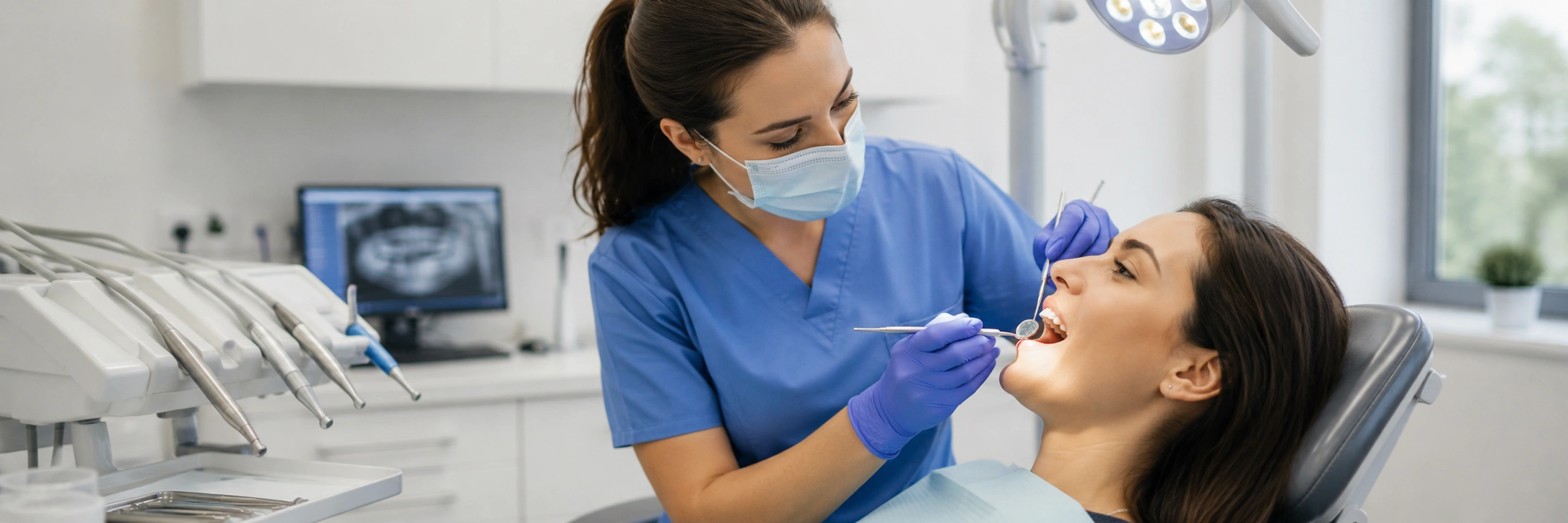
Even with good home care, some plaque and tartar can build up in difficult areas. Regular dental checkups and professional cleaning help maintain healthy teeth and gums.
A dentist can check:
- Plaque buildup
- Tartar deposits
- Gum health
- Cavities
- Bad breath causes
- Tooth sensitivity
- Brushing technique
- Flossing method
- Oral hygiene routine
Most people benefit from dental checkups every six months, but your dentist may suggest a different schedule based on your oral health.
Also Read: 10 Essential Oral Hygiene Tips for Healthy Teeth
Best Daily Routine to Remove Plaque Safely
Follow this simple routine for safe plaque control:
- Morning: Brush with fluoride toothpaste for two minutes. Clean your tongue gently. Drink water after breakfast.
- After Meals: Rinse your mouth with water. Avoid frequent sugary snacks. Use sugar-free gum if brushing is not possible.
- Night: Floss or use an interdental cleaner. Brush again with fluoride toothpaste. Do not eat sugary foods after brushing.
- Weekly: Check your gums for bleeding, swelling, bad breath, or sensitivity. Replace harsh habits with gentle oral care.
When to See a Dentist
Visit a dentist if you experience bleeding or swollen gums, persistent bad breath, tooth sensitivity, or pain while chewing. Other signs include tartar buildup, cavities, loose teeth, gum recession, or food frequently getting stuck between teeth. Early dental care helps prevent minor issues from developing into more serious oral health problems.
Final Thoughts
Removing plaque from teeth naturally and safely is possible when you focus on the right daily habits. Brush twice a day, floss once daily, clean your tongue, drink water, limit sugar, eat fiber-rich foods, and avoid harmful home remedies.
Soft plaque can be removed at home, but hardened tartar needs professional dental cleaning. Do not use sharp tools, lemon, vinegar, charcoal, or rough scrubbing to clean teeth. These methods may damage enamel and gums.
The safest approach is simple: gentle daily oral hygiene, smart food choices, regular dental visits, and dentist-approved care.
Frequently Asked Questions
1. How can I remove plaque from teeth naturally?
You can remove soft plaque naturally by brushing twice daily, flossing once a day, cleaning your tongue, drinking water, limiting sugar, and eating fiber-rich foods. Hardened tartar needs professional dental cleaning.
2. Can plaque be removed without a dentist?
Soft plaque can be removed without a dentist through proper home care. However, once plaque hardens into tartar, it cannot be removed safely at home and needs professional scaling by a dentist.
3. What is the safest way to remove plaque at home?
The safest way to remove plaque at home is brushing with fluoride toothpaste, flossing daily, using interdental cleaners if needed, cleaning the tongue, and rinsing with water after meals.
4. Can baking soda remove plaque from teeth?
Baking soda may help with surface cleaning when used carefully, preferably in toothpaste form. Avoid aggressive scrubbing or mixing it with lemon or vinegar because acidic mixtures can damage enamel.
5. Does oil pulling remove plaque?
Oil pulling may be used by some people as a support habit, but it should not replace brushing, flossing, or dental cleaning. It is not a proven substitute for standard oral hygiene.
6. Can lemon remove plaque from teeth?
No, lemon should not be used to remove plaque. Lemon is acidic and may weaken enamel, increase sensitivity, and harm teeth over time. Use safe brushing and flossing instead.
7. How do I know if plaque has become tartar?
Tartar often appears as hard yellow, brown, or rough deposits near the gumline or behind lower front teeth. Unlike soft plaque, tartar does not come off with normal brushing.
8. How often should I brush to prevent plaque?
Brush your teeth twice daily for about two minutes using fluoride toothpaste. Night brushing is especially important because plaque and bacteria can stay on teeth for many hours during sleep.
9. Is flossing necessary for plaque removal?
Yes, flossing is necessary because a toothbrush cannot fully clean between teeth. Daily flossing removes plaque and food particles from tight spaces where cavities and gum problems often begin.
10. Can mouthwash remove plaque?
Mouthwash may help reduce bacteria and freshen breath, but it cannot replace brushing and flossing. Use mouthwash as an extra support after asking your dentist which type is suitable.
11. Why does plaque keep coming back?
Plaque keeps coming back because bacteria naturally live in the mouth and collect after eating and drinking. Daily brushing, flossing, water intake, and reduced sugar help control plaque buildup.
12. When should I visit a dentist for plaque?
Visit a dentist if you have tartar, bleeding gums, bad breath, tooth sensitivity, gum swelling, loose teeth, or plaque buildup that does not improve with regular brushing and flossing.
You can remove soft plaque naturally by brushing twice daily, flossing once a day, cleaning your tongue, drinking water, limiting sugar, and eating fiber-rich foods. Hardened tartar needs professional dental cleaning.
Soft plaque can be removed without a dentist through proper home care. However, once plaque hardens into tartar, it cannot be removed safely at home and needs professional scaling by a dentist.
The safest way to remove plaque at home is brushing with fluoride toothpaste, flossing daily, using interdental cleaners if needed, cleaning the tongue, and rinsing with water after meals.
Baking soda may help with surface cleaning when used carefully, preferably in toothpaste form. Avoid aggressive scrubbing or mixing it with lemon or vinegar because acidic mixtures can damage enamel.
Oil pulling may be used by some people as a support habit, but it should not replace brushing, flossing, or dental cleaning. It is not a proven substitute for standard oral hygiene.
No, lemon should not be used to remove plaque. Lemon is acidic and may weaken enamel, increase sensitivity, and harm teeth over time. Use safe brushing and flossing instead.
Tartar often appears as hard yellow, brown, or rough deposits near the gumline or behind lower front teeth. Unlike soft plaque, tartar does not come off with normal brushing.
Brush your teeth twice daily for about two minutes using fluoride toothpaste. Night brushing is especially important because plaque and bacteria can stay on teeth for many hours during sleep.
Yes, flossing is necessary because a toothbrush cannot fully clean between teeth. Daily flossing removes plaque and food particles from tight spaces where cavities and gum problems often begin.
Mouthwash may help reduce bacteria and freshen breath, but it cannot replace brushing and flossing. Use mouthwash as an extra support after asking your dentist which type is suitable.
Plaque keeps coming back because bacteria naturally live in the mouth and collect after eating and drinking. Daily brushing, flossing, water intake, and reduced sugar help control plaque buildup.
Visit a dentist if you have tartar, bleeding gums, bad breath, tooth sensitivity, gum swelling, loose teeth, or plaque buildup that does not improve with regular brushing and flossing.