How to Get Rid of Bad Breath: Causes, Remedies & Prevention
Bad breath can be awkward when you notice it while talking to someone. You may brush every morning and still wonder why the smell comes back. Food, bacteria, dry mouth, and poor cleaning can all play a role. The first step is to find what causes your bad breath. Then, improve your cleaning routine and deal with anything causing the odor.
At this blog, you can learn practical ways to improve Oral Hygiene and care for your teeth and gums. You can also understand when bad breath needs a dentist’s attention. Read more to find out what causes bad breath and what you can do about it.
What Causes Bad Breath?
Bad breath, also called halitosis, usually starts inside your mouth. Bacteria feed on food particles and release compounds that smell unpleasant. Poor brushing, tongue buildup, dry mouth, certain foods, and tobacco can make things worse.
Sometimes, gum disease or another health problem can also cause persistent odor. Finding the cause matters because freshening your breath alone will not fix the problem.
1. Poor Oral Hygiene Can Cause Persistent Bad Breath
Food and plaque can collect around your teeth when you skip proper cleaning, so learning how to remove plaque from teeth can help reduce the buildup that contributes to bad breath. Bacteria then break down this buildup and produce unpleasant smells. Brush your teeth twice a day with fluoride toothpaste.
Floss once daily to clean the spaces your toothbrush misses. A good routine keeps your mouth cleaner and leaves fewer places for odor-causing bacteria.
2. Tongue Bacteria May Be Behind Your Bad Breath
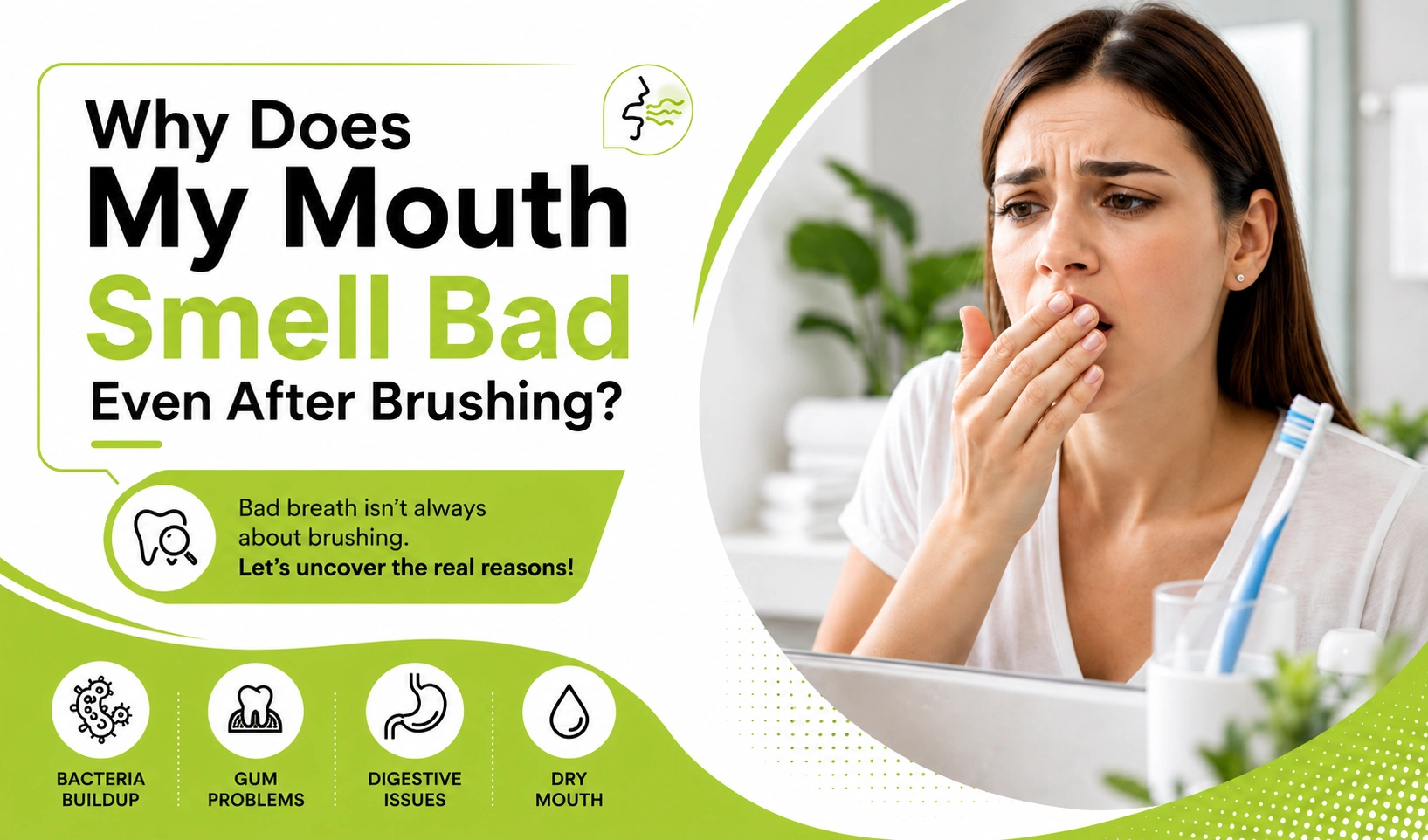
Your tongue can hold more bacteria than you might expect. Its rough surface catches food particles, dead cells, and bacteria. That buildup can create a noticeable smell, which may explain why your mouth smells bad even after brushing despite maintaining a regular brushing routine.
Clean your tongue once a day with a tongue scraper or toothbrush. Be gentle, especially near the back of your tongue; harsh scraping can cause irritation.
3. Can Dry Mouth Cause Bad Breath?
Yes, dry mouth can make bad breath worse. Saliva keeps your mouth moist and washes away food and dead cells. When your mouth produces less saliva, bacteria have more time to build up. Dehydration, mouth breathing, and some medicines can contribute to dry mouth. Drink water throughout the day. You can also chew sugar-free gum to encourage saliva production.
4. Which Foods and Drinks Cause Bad Breath?
Garlic, onions, coffee, and spicy foods can leave a strong smell behind. Some food compounds can continue affecting your breath after digestion. You do not have to stop eating these foods completely.
Drink water and clean your mouth after meals when possible. Food-related odor usually fades with time. Persistent bad breath needs closer attention.
5. Does Smoking or Tobacco Cause Bad Breath?
Yes, tobacco can cause noticeable and persistent bad breath. Smoking also dries your mouth, which gives odor-causing bacteria better conditions. Chewing tobacco can leave its own strong smell and affect your oral health. Tobacco use also raises your risk of gum problems. Quitting can improve your breath while protecting your teeth and gums.
6. Can Gum Disease or Health Problems Cause Bad Breath?
Persistent bad breath can sometimes point to gum disease. Bleeding, swollen, tender, or painful gums deserve a dental check. Sinus infections and throat problems can also affect your breath.
However, do not assume a serious health problem from bad breath alone. If the odor stays despite good oral care, speak with your dentist about appropriate bad breath treatment and to identify the underlying cause.
How to Get Rid of Bad Breath Quickly?
Start with simple steps: clean your tongue, drink water, and stimulate saliva. These actions can improve temporary odor, especially after eating. Sugar-free gum can help after meals, while a salt-water rinse offers another option. Remember that quick fixes only manage the smell for a while. If bad breath keeps returning, focus on the reason behind it.
1. Clean Your Tongue Every Day

A tongue scraper can remove the film that collects across your tongue. You can also use your toothbrush if you prefer. Move gently from the back toward the front. Do not press hard or scrape until your tongue feels sore.
2. Drink More Water to Fight Dry Mouth
Take small sips throughout the day to keep your mouth moist. Regular hydration can help when dehydration causes your dry mouth. Keep water nearby if you often forget to drink. This simple habit can make a difference during busy days.
3. Chew Sugar-Free Gum After Meals
Chewing sugar-free gum gets your saliva flowing after you eat. That extra saliva helps wash away some food particles. Choose sugar-free gum instead of sugary alternatives. Still, do not treat gum as a replacement for brushing or flossing.
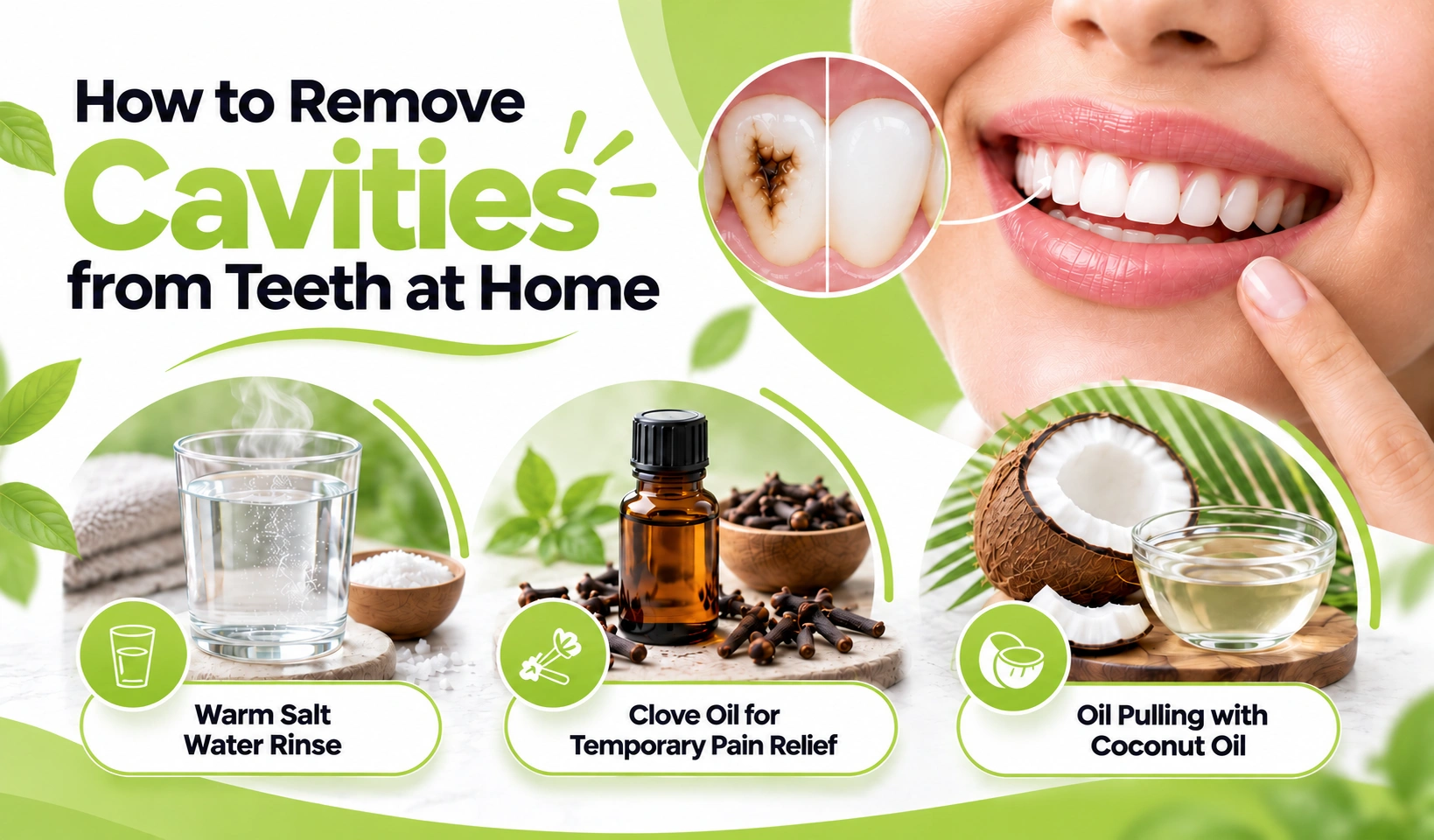
4. Try a Warm Salt Water Rinse
A warm salt-water rinse can help keep your mouth feeling cleaner. Mix salt with warm water, swish it around, and spit it out. Do not swallow the rinse. Use it as an occasional addition to your routine, not your main treatment.
5. Eat Crunchy Fruits and Vegetables
Apples, carrots, and celery can help clear some loose food debris. Chewing them also encourages saliva production. Think of these foods as a helpful addition to your diet. They cannot replace your toothbrush, toothpaste, or floss.
How Can You Prevent Bad Breath Every Day?
Good oral hygiene gives you the best starting point for fresher breath, and learning how to Clean Teeth at Home can help you maintain that routine between dental visits. Build a routine around brushing, flossing, tongue cleaning, hydration, and dental visits. Consistency matters more than trying random breath-freshening products.
1. Brush Your Teeth Twice a Day
Brush for two minutes in the morning and before bed. Use fluoride toothpaste and clean every surface of your teeth. Use gentle pressure; harder brushing will not give you cleaner teeth. Replace your toothbrush when the bristles become worn.
2. Floss Once a Day

Floss reaches areas that your toothbrush cannot clean properly. Food and plaque can otherwise stay trapped between your teeth. Make flossing part of your evening routine. Regular cleaning also helps keep your gums healthier.
3. Keep Dentures, Retainers, and Oral Appliances Clean
Removable appliances can collect food and bacteria during the day. Clean them according to your dentist’s instructions. Remove them when your dentist recommends doing so. Store them properly when you are not wearing them.
4. Choose an Alcohol-Free Mouthwash
An alcohol-free mouthwash can add another layer to your oral-care routine. It may work better for you if alcohol makes your mouth feel dry. Do not depend on mouthwash alone. Brushing, flossing, and tongue cleaning still form the foundation of good care.
5. Schedule Regular Dental Checkups
Regular dental visits can uncover problems you may not notice yourself. Your dentist can check for cavities, gum disease, plaque, and other concerns. Ask your dentist how often you should schedule an examination. Your needs may differ depending on your oral health.
When Should You See a Dentist for Bad Breath?
See your dentist if bad breath continues despite better oral hygiene. Do the same if you notice bleeding gums, swelling, pain, or loose teeth. Persistent halitosis may have an oral cause that needs treatment.
Your dentist can examine your teeth, gums, tongue, and surrounding tissues. Do not keep covering the smell with mints or mouthwash.
How Long Does It Take to Get Rid of Bad Breath?
Food-related breath usually improves after eating, drinking, and cleaning your mouth. Persistent odor may take longer to resolve when a dental problem causes it. Your results depend on the cause and your daily habits. Give your new routine time, but do not ignore ongoing symptoms.
Get Fresh Breath by Treating the Cause
Fresh breath starts with a clean mouth and consistent daily care. Brush twice daily, floss once daily, clean your tongue, and drink enough water. If bad breath keeps coming back, do not simply cover it with mints.
Find out what causes it and address the problem directly. InfiSmiles can help you make better oral care part of your everyday routine. Explore InfiSmiles today and take a smarter step toward a fresher, healthier smile.
Get Fast Relief at InfiSmiles
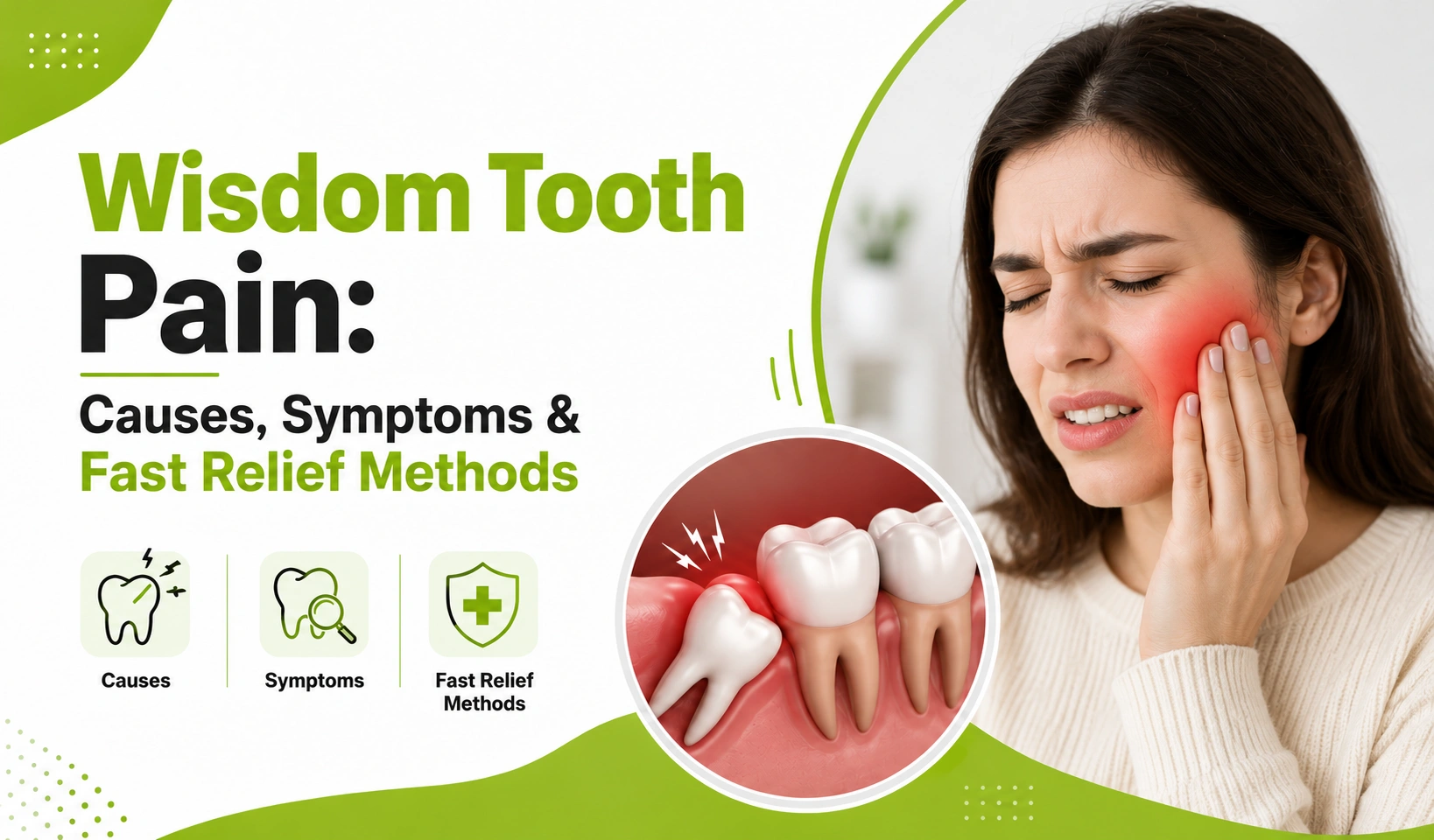
Experiencing wisdom tooth pain? Visit InfiSmiles for expert diagnosis, advanced treatment, and safe, comfortable dental care. Our experienced dentists provide personalized solutions to relieve pain, protect your oral health, and restore your smile with confidence.
Book Your Dental Checkup with InfiSmiles Today!
Frequently Asked Questions
1. What Is the Fastest Way to Get Rid of Bad Breath?
Clean your teeth and tongue, drink water, and chew sugar-free gum. These steps can freshen your breath temporarily.
2. How Do You Get Rid of Bad Breath Permanently?
Find and address the reason behind your bad breath. Good oral hygiene and dental care can help manage persistent odor.
3. Why Does My Breath Smell Even After Brushing?
Bacteria may remain on your tongue or between your teeth. Dry mouth, gum disease, and certain foods can also cause odor.
4. Does Drinking Water Help Bad Breath?
Yes, especially when dry mouth contributes to the problem. Water helps keep your mouth moist and supports saliva flow.
5. Does Tongue Cleaning Get Rid of Bad Breath?
Tongue cleaning removes bacteria and buildup from your tongue’s surface. Use it alongside brushing and flossing for better results.
6. Can Bad Breath Be a Sign of Gum Disease?
Yes, gum disease can cause persistent bad breath. Bleeding, swollen, or tender gums can provide additional warning signs.
7. Why Do I Have Bad Breath Every Morning?
Your mouth produces less saliva while you sleep. That allows bacteria and debris to build up overnight.
8. When Should Bad Breath Be Checked by a Dentist?
See your dentist when the smell continues despite good oral hygiene. Also book a visit if you notice pain, swelling, or bleeding gums.
Clean your teeth and tongue, drink water, and chew sugar-free gum. These steps can freshen your breath temporarily.
Find and address the reason behind your bad breath. Good oral hygiene and dental care can help manage persistent odor.
Bacteria may remain on your tongue or between your teeth. Dry mouth, gum disease, and certain foods can also cause odor.
Yes, especially when dry mouth contributes to the problem. Water helps keep your mouth moist and supports saliva flow.
Tongue cleaning removes bacteria and buildup from your tongue’s surface. Use it alongside brushing and flossing for better results.
Yes, gum disease can cause persistent bad breath. Bleeding, swollen, or tender gums can provide additional warning signs.
Your mouth produces less saliva while you sleep. That allows bacteria and debris to build up overnight.
See your dentist when the smell continues despite good oral hygiene. Also book a visit if you notice pain, swelling, or bleeding gums.