10 Essential Oral Hygiene Tips for Healthy Teeth
Your smile does more talking than you might think — and the habits behind it matter more than most people realise.
According to WHO’s Global Oral Health Status Report, Oral diseases now affect nearly 3.5 billion people worldwide — making tooth decay and gum disease among the most common health conditions on the planet, despite being almost entirely preventable with the right daily habits.
The good news is that maintaining healthy gums and teeth is much easier than you might think. There are just a few things that you should do every day – that is all – brush correctly, floss properly, don’t eat too much sugar and see your dentist regularly – to preserve your smile from day one through your golden years.
In this guide to good dental care, from the experts in good oral health here at InfiSmiles Dental Clinic, Surat (with 18 years of experience) we teach you all you need to know about how to look after your teeth and gums simply and effectively.
1. Brush Your Teeth Twice a Day — Properly
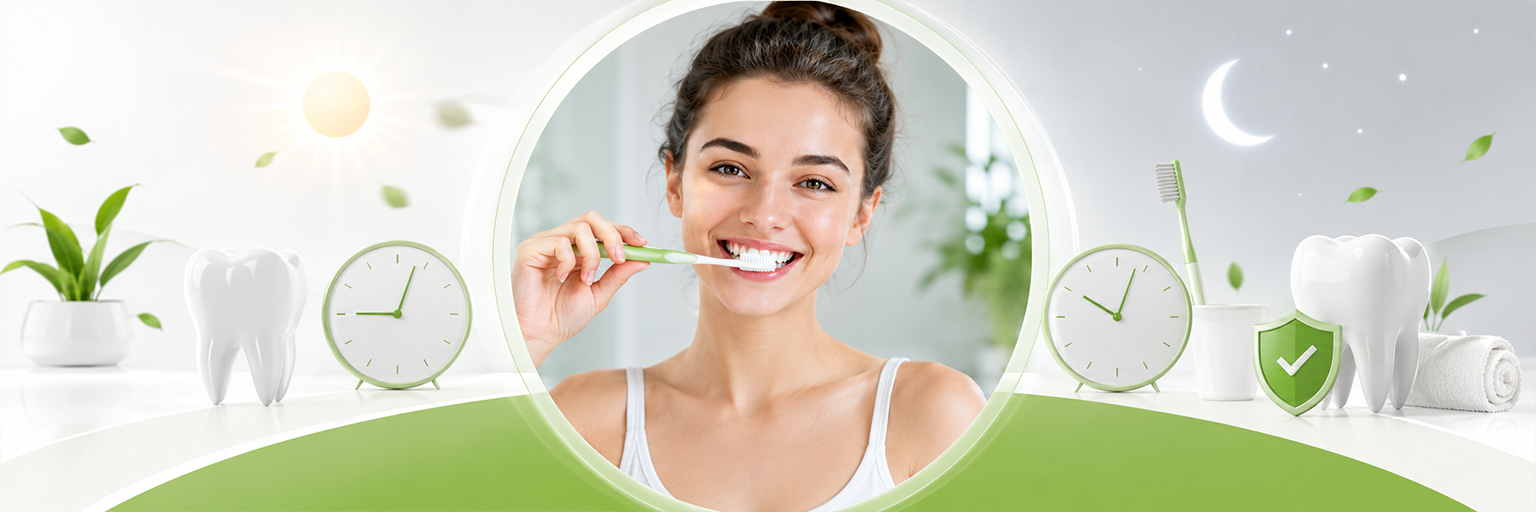
Brushing is the single most important oral hygiene habit, but doing it right matters as much as doing it at all.
- Brush twice daily — once in the morning, once before bed
- Use a soft-bristled toothbrush with fluoride toothpaste
- Brush gently for about 2 minutes, covering the front, back, and chewing surfaces of every tooth
- Avoid pressing too hard — this wears down enamel and irritates your gums over time
2. Don’t Skip Flossing
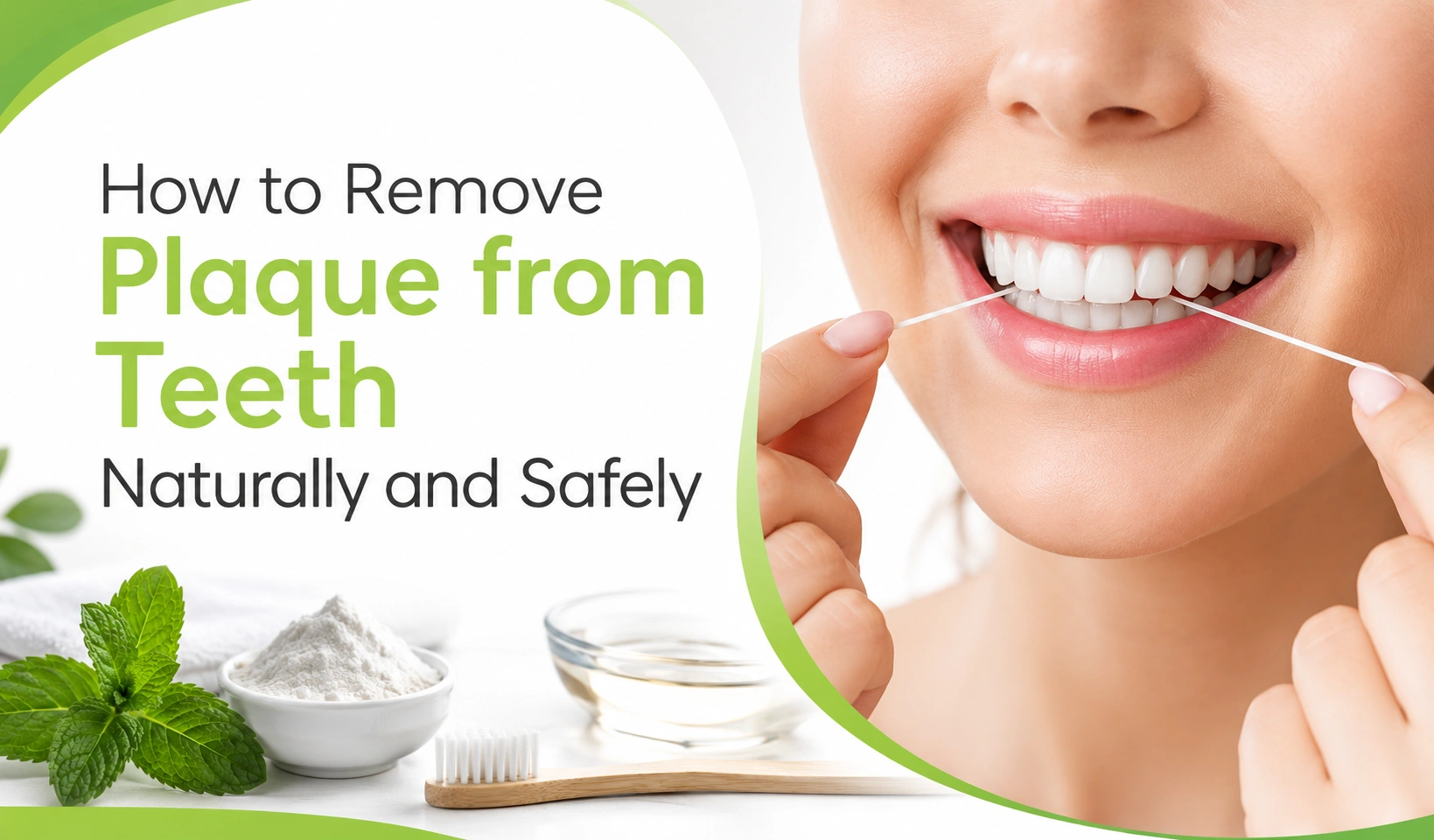
Brushing alone cannot reach the tight spaces between your teeth — and this is exactly where most cavities begin. Globally, only 30–40% of adults floss daily, and up to a third never floss at all. If regular floss feels awkward, floss picks or interdental brushes work just as well — ask your dentist which suits you best.
3. Clean Your Tongue Every Day
Many people brush their teeth diligently but completely forget their tongue — even though it harbours much of the bacteria responsible for bad breath. A tongue cleaner, or simply your toothbrush used gently, takes seconds and makes a noticeable difference to how fresh your mouth feels.
Also Read: 10 Signs You Need a Root Canal Treatment Immediately
4. Use the Right Toothbrush — and Replace It on Time
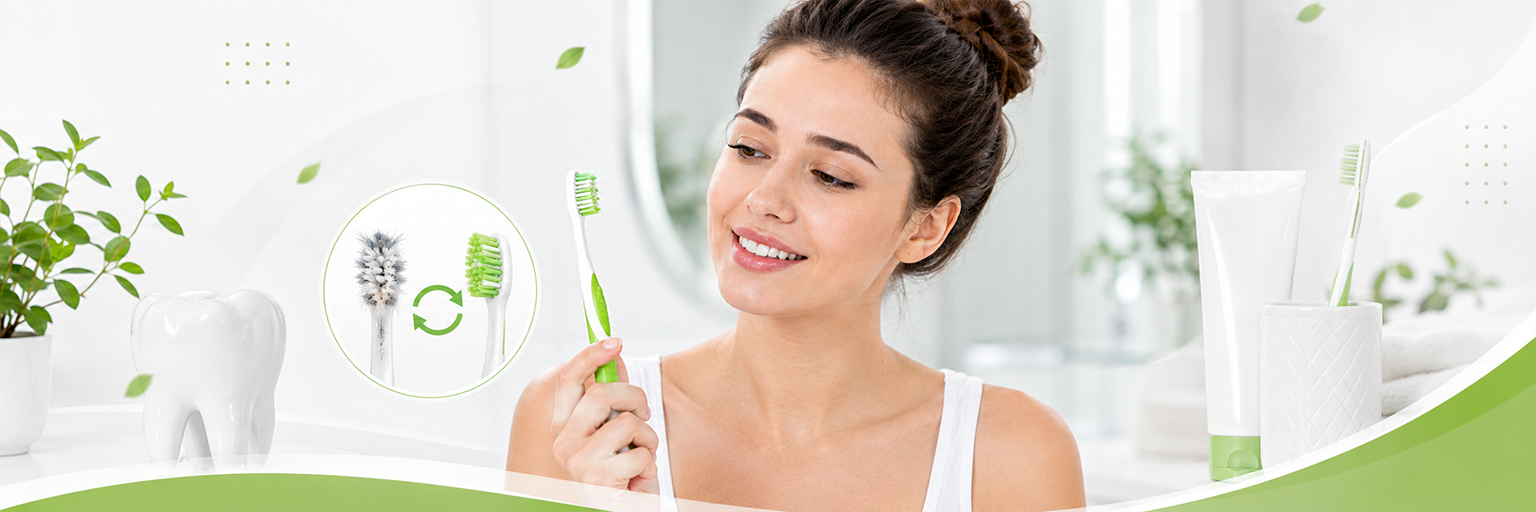
Always choose soft bristles — hard bristles damage enamel and irritate gums, Replace your toothbrush every 3 to 4 months, or sooner if bristles look frayed and A worn-out brush simply can’t clean your teeth properly, no matter how well you brush.
5. Cut Back on Sugary Foods and Drinks
Sugar feeds the bacteria in your mouth, and that bacteria produces the acid that erodes enamel and causes cavities. The biggest culprits are often the ones we don’t think twice about:
- Candies and sticky sweets
- Soft drinks and packaged juices
- Sugary tea or coffee
- Frequent snacking throughout the day
Swap these for fruits, vegetables, nuts, and water whenever you can — your teeth (and the rest of your body) will thank you.
6. Drink Enough Water
Water is one of the simplest, most underrated tools for oral health. Drinking water after meals washes away leftover food particles and helps neutralise acid sitting on your teeth. It also keeps your mouth from drying out — dry mouth is a major contributor to bad breath and tooth decay.
7. Stop Using Your Teeth as Tools
Opening packets, cracking nuts, or biting thread might feel convenient in the moment, but your teeth were built for chewing food — not for these everyday tasks. Doing this repeatedly leads to cracks, chips, and unnecessary pain that’s entirely avoidable.
8. Never Ignore Bleeding or Swollen Gums
Bleeding gums are not something to brush off — quite literally. It’s one of the earliest, clearest signs that something needs attention.
Don’t Ignore These Warning Signs — See a Dentist
- Bleeding or swollen gums while brushing or flossing
- Bad breath that doesn’t go away even after brushing
- Tooth sensitivity to hot, cold, or sweet foods
- Pain while chewing or biting down
- Loose teeth in an adult mouth
9. Visit Your Dentist Regularly
Even teeth that look perfectly fine can be hiding early cavities, plaque buildup, or the first signs of gum disease. Regular check-ups catch these problems while they’re still small, simple, and inexpensive to treat — rather than after they’ve become painful and complicated.
At InfiSmiles, Dr Dhaval Patel and our team have supported over 65,000 patients with routine check-ups and 100% painless treatment — catching small issues before they become big ones.
10. Follow a Simple Daily Oral Care Routine
Good oral hygiene isn’t about doing more — it’s about doing the right things consistently. Here’s an easy routine to build into your day:
|
Time |
Step |
Why |
|
Morning |
Brush with fluoride toothpaste for 2 minutes |
Clears overnight bacteria buildup before you eat |
|
Morning |
Clean your tongue gently |
Removes bacteria that cause morning breath |
|
Morning |
Rinse your mouth after breakfast |
Washes away leftover food particles and sugar |
|
Night |
Floss before brushing |
Loosens plaque and food trapped between teeth |
|
Night |
Brush thoroughly for 2 minutes |
Removes the day’s plaque before hours of sleep |
|
Night |
Avoid eating after brushing |
Keeps your teeth clean and protected overnight |
Conclusion
A healthy smile doesn’t come from expensive products or complicated routines — it comes from a handful of simple habits, repeated consistently: brushing properly twice a day, flossing daily, cleaning your tongue, eating less sugar, staying hydrated, and visiting your dentist regularly.
If you want healthy teeth, fresh breath, and strong gums for life, start with these essential oral hygiene tips from InfiSmiles Dental Clinic, Surat — and make dental care a natural part of your everyday routine.
Frequently Asked Questions
How often should I brush my teeth?
Brush twice a day — once in the morning and once before bed — for about two minutes each time, using a soft-bristled brush and fluoride toothpaste. Brushing more often than this isn’t necessary and brushing too hard can actually damage your enamel and gums.
Is flossing really necessary if I brush regularly?
Yes. Brushing cleans the surfaces of your teeth, but it cannot reach the tight spaces between them, where food particles and plaque build up and eventually cause cavities or gum disease. Flossing once a day closes this gap completely.
What are the first signs of gum disease?
The earliest signs are usually bleeding or swollen gums while brushing or flossing, along with persistent bad breath. If you notice these signs, don’t wait — see a dentist promptly, since early gum disease is far easier to treat than advanced stages.
How often should I visit the dentist for a check-up?
Most dentists, including our team at InfiSmiles, recommend a check-up and professional cleaning every six months. This allows your dentist to catch cavities, plaque buildup, or gum issues early — often before you notice any symptoms yourself.
Can poor oral hygiene affect my overall health?
Yes. Research has linked poor oral health to broader health issues including heart disease, diabetes, and respiratory infections. Taking care of your teeth and gums is part of taking care of your overall health, not a separate concern.
Brush twice a day — once in the morning and once before bed — for about two minutes each time, using a soft-bristled brush and fluoride toothpaste. Brushing more often than this isn’t necessary and brushing too hard can actually damage your enamel and gums.
Yes. Brushing cleans the surfaces of your teeth, but it cannot reach the tight spaces between them, where food particles and plaque build up and eventually cause cavities or gum disease. Flossing once a day closes this gap completely.
The earliest signs are usually bleeding or swollen gums while brushing or flossing, along with persistent bad breath. If you notice these signs, don’t wait — see a dentist promptly, since early gum disease is far easier to treat than advanced stages.
Most dentists, including our team at InfiSmiles, recommend a check-up and professional cleaning every six months. This allows your dentist to catch cavities, plaque buildup, or gum issues early — often before you notice any symptoms yourself.
Yes. Research has linked poor oral health to broader health issues including heart disease, diabetes, and respiratory infections. Taking care of your teeth and gums is part of taking care of your overall health, not a separate concern.